


 Let Us Call You


Iron deficiency can develop gradually, and symptoms may not be noticeable at first. As iron levels decrease, tiredness, weakness, pale skin, shortness of breath, and other symptoms may become more apparent.
In this article, you'll learn about the common signs of iron deficiency, less common symptoms, when to see a doctor, and how iron deficiency is evaluated.
Key Takeaways
- Iron deficiency may develop gradually and can cause few symptoms in its early stages.
- Fatigue, weakness, pale skin, and shortness of breath are among the most common symptoms.
- Headaches, heart palpitations, cold hands and feet, and restless legs may also occur.
- Changes in the hair, skin, nails, tongue, or taste may be associated with iron deficiency.
- A blood test is needed to confirm iron deficiency or iron deficiency anemia.
What Is Iron Deficiency
Iron deficiency occurs when the body does not have enough iron to meet its needs. Iron is needed to produce hemoglobin, a protein in red blood cells that helps carry oxygen throughout the body.
When iron deficiency becomes severe enough to reduce hemoglobin levels, it can lead to iron deficiency anemia. However, iron deficiency and iron deficiency anemia are not necessarily the same condition, as iron stores can become low before anemia develops.
What Are the Symptoms of Iron Deficiency?
The signs of iron deficiency can vary depending on how low iron levels are and whether anemia has developed. Some people may have no obvious symptoms in the early stages.
Fatigue and Weakness
Feeling unusually tired or weak is one of the most common **iron deficiency symptoms**. Low iron can reduce the body's ability to produce enough hemoglobin, which may affect how much oxygen reaches tissues and muscles.
Pale Skin
Paler-than-usual skin can occur with iron deficiency anemia. The inside of the lower eyelids may also appear paler than usual, although changes in skin color can have many different causes.
Shortness of Breath
Shortness of breath may occur when low iron levels lead to reduced hemoglobin and less oxygen being carried to the body's tissues. Some people may notice breathlessness during activities that previously felt easy, such as walking or climbing stairs.
Headaches and Dizziness
Headaches, dizziness, or lightheadedness can occur with iron deficiency anemia. These symptoms are not specific to low iron, so persistent or recurring symptoms should be medically evaluated.
Heart Palpitations
Some people with iron deficiency anemia may experience a fast heartbeat or heart palpitations. This can occur as the heart works harder to deliver oxygen around the body.
Cold Hands and Feet
Feeling unusually cold, particularly in the hands and feet, may be associated with iron deficiency anemia. However, this symptom can also occur for many other reasons and does not confirm an iron deficiency on its own.
Hair, Skin, and Nail Changes
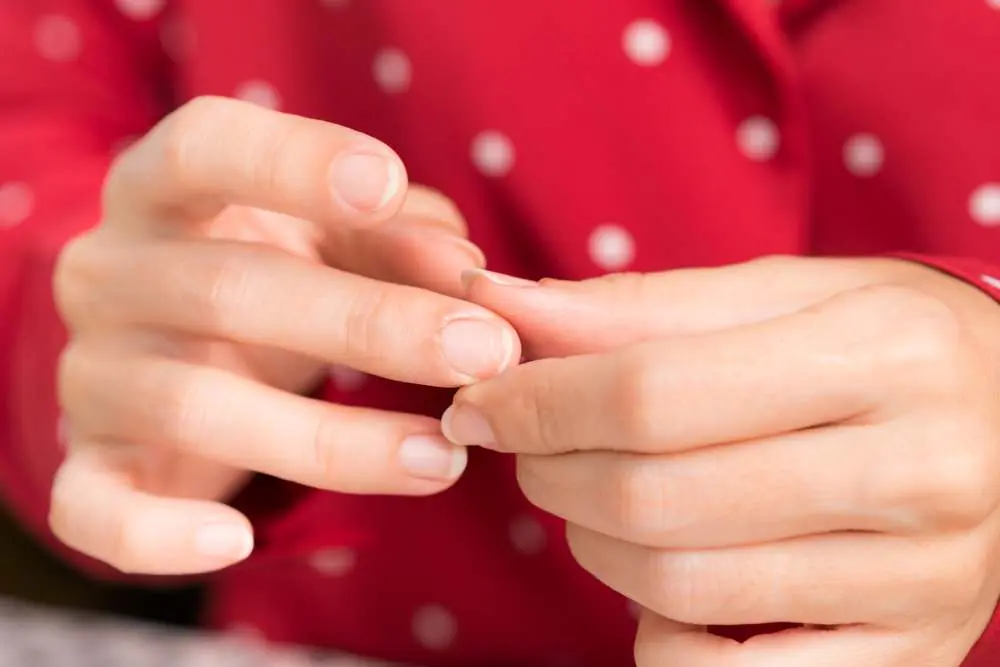
Iron deficiency may be associated with changes affecting the hair, skin, and nails. Brittle nails and spoon-shaped nails, known as koilonychia, can occur in some people with iron deficiency anemia.
Mouth and Tongue Changes
Some people may develop a sore or inflamed tongue, along with other changes in the mouth. These symptoms can have several possible causes, so medical assessment may be needed to identify the underlying problem.
Restless Legs
Iron deficiency has also been associated with restless legs syndrome, which can cause an uncomfortable urge to move the legs, particularly when resting.
Unusual Cravings
A less common sign of iron deficiency is **pica**, which involves craving or eating substances that do not provide nutritional value, such as ice, dirt, or clay. Some people may also develop unusual cravings for certain smells.
Symptoms of Iron Deficiency in Children
Iron deficiency can affect children differently from adults. In addition to symptoms such as tiredness and weakness, children with significant iron deficiency may have poor appetite or experience problems with normal growth and development.
Children have increased iron needs during periods of rapid growth. If you are concerned about your child's iron levels, medical evaluation can help determine whether testing or dietary changes are needed.
Who Is at Risk of Iron Deficiency?
Some people have a higher risk of developing iron deficiency because they need more iron or may lose or absorb less iron.
Higher-risk groups may include:
- People with heavy menstrual bleeding
- Pregnant individuals
- Infants and children
- Vegetarians and vegans who do not consume enough iron-rich foods
- People with digestive conditions that affect iron absorption
- People who have undergone certain gastrointestinal surgeries
- Frequent blood donors
Blood loss, inadequate dietary iron, and problems with iron absorption are among the main causes of iron deficiency.
When Should You See a Doctor?
If you experience persistent fatigue, weakness, shortness of breath, dizziness, palpitations, or other symptoms associated with iron deficiency, consult a healthcare professional.
These symptoms can have many causes and cannot confirm iron deficiency on their own. Blood tests can help determine whether iron levels or hemoglobin are low and whether further evaluation is needed. It is also important to identify the underlying cause rather than treating iron deficiency without medical guidance.
How Is Iron Deficiency Diagnosed?
A healthcare professional may use blood tests to evaluate iron status and determine whether anemia is present. The evaluation may include a complete blood count and tests related to iron levels and iron stores.
If iron deficiency is confirmed, the next step is identifying why it developed. Possible causes include blood loss, insufficient dietary iron, pregnancy, or problems affecting iron absorption.
Can Iron Deficiency Be Prevented?
Eating a varied diet that includes iron-rich foods can help reduce the risk of iron deficiency. Good sources include meat, seafood, beans, lentils, dark green leafy vegetables, and iron-fortified foods.
Foods rich in vitamin C can also help the body absorb iron when consumed as part of the same meal. Citrus fruits, strawberries, tomatoes, peppers, and broccoli are examples of foods that provide vitamin C.
Clinical Insight
Iron deficiency can cause a range of symptoms, from fatigue and weakness to shortness of breath, headaches, and changes in the skin, hair, or nails. Because these symptoms can have many different causes, iron deficiency should be confirmed with appropriate medical evaluation rather than self-diagnosed. If low iron is identified, finding the underlying cause is an important part of effective management.
Which Department Should I Visit?
If you are experiencing symptoms that may be related to iron deficiency, you may consult:
Depending on the suspected cause, your healthcare provider may recommend evaluation by another specialist, particularly if blood loss or a digestive condition is suspected.