


 Let Us Call You


Anemia is a condition in which the body does not have enough healthy red blood cells or hemoglobin to carry oxygen to the body's tissues. It can cause symptoms such as fatigue, weakness, shortness of breath, dizziness, and pale skin.
Anemia can develop for many different reasons, including iron deficiency, vitamin deficiencies, blood loss, chronic diseases, and inherited conditions. Treatment depends on the underlying cause and may include dietary changes, supplements, medications, or other medical treatments.
In this article, you'll learn about the symptoms, causes, types, diagnosis, treatment, and prevention of anemia.
Key Takeaways
- Anemia occurs when the body does not have enough healthy red blood cells or hemoglobin.
- Fatigue, weakness, shortness of breath, dizziness, and pale skin are common symptoms.
- Iron deficiency is the most common cause of anemia.
- Vitamin deficiencies, blood loss, chronic diseases, and inherited conditions can also cause anemia.
- Treatment depends on the type and underlying cause of anemia.
- Blood tests are commonly used to diagnose anemia.
What Is Anemia?
Anemia is a blood disorder that occurs when the body does not have enough healthy red blood cells or when red blood cells do not function properly. Red blood cells contain hemoglobin, a protein that carries oxygen from the lungs to the body's tissues.
There are many types of anemia, and they can range from mild to severe. Some forms develop over time, while others may be inherited.
What Are the Symptoms of Anemia?
Anemia symptoms can vary depending on the cause and severity of the condition. Mild anemia may cause few or no symptoms at first, while symptoms may become more noticeable as anemia worsens.
Common symptoms may include:
- Fatigue and weakness
- Shortness of breath
- Pale or yellowish skin
- Dizziness or lightheadedness
- Headaches
- Heart palpitations
- Cold hands and feet
- Chest pain
If you experience persistent tiredness, weakness, or shortness of breath without a clear reason, medical evaluation can help identify the underlying cause.
What Causes Anemia?
Anemia can develop when the body does not produce enough red blood cells, loses blood faster than it can replace it, or destroys red blood cells too quickly.
Common causes include:
Iron Deficiency
Iron deficiency anemia is the most common type of anemia. It may develop when the diet does not provide enough iron or when the body loses blood through heavy menstrual bleeding, gastrointestinal bleeding, or other causes.
Vitamin Deficiencies
The body needs vitamin B12 and folate to produce healthy red blood cells. Inadequate intake or problems absorbing these nutrients can lead to vitamin deficiency anemia.
Blood Loss
Heavy menstrual bleeding, gastrointestinal bleeding, injuries, surgery, or other sources of blood loss can reduce the body's red blood cell and iron levels.
Chronic Diseases
Conditions such as kidney disease, cancer, inflammatory bowel disease, autoimmune diseases, and other chronic illnesses may contribute to anemia.
Red Blood Cell Destruction
Hemolytic anemia occurs when red blood cells are destroyed faster than the body can replace them. Some hemolytic anemias are inherited, while others develop during a person's lifetime.
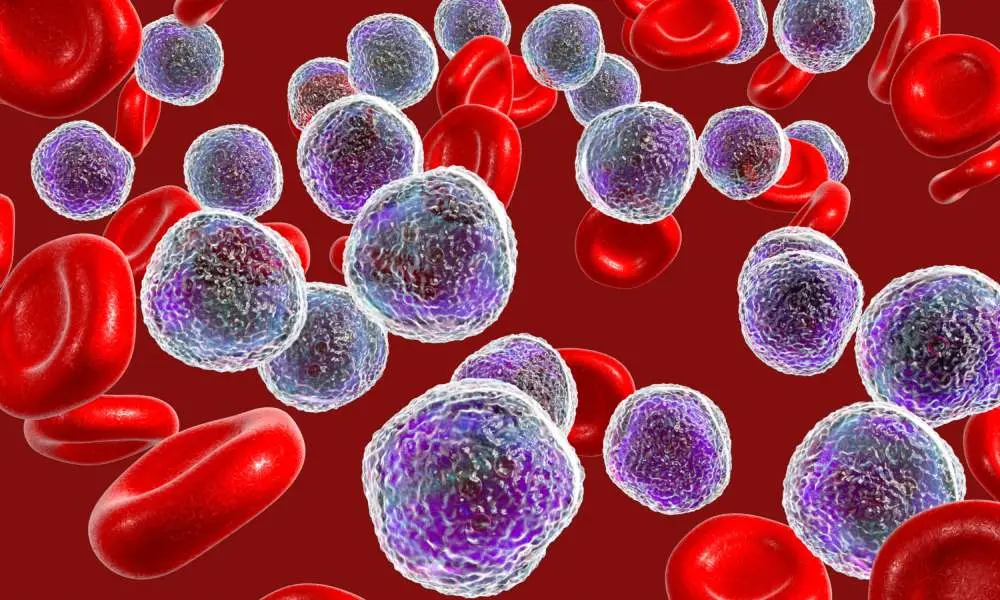
What Are the Different Types of Anemia
There are many types of anemia, and each has different causes and characteristics.
Common types include:
- Iron deficiency anemia
- Vitamin deficiency anemia
- Anemia of chronic disease or inflammation
- Aplastic anemia
- Hemolytic anemia
- Sickle cell anemia
- Thalassemia
- Anemia associated with bone marrow disorders
Some types are inherited, while others develop because of nutritional deficiencies, chronic diseases, medications, blood loss, or other factors.
Who Is at Risk of Anemia?
Some people have a higher risk of developing anemia because of increased nutritional needs, blood loss, chronic disease, or problems absorbing nutrients.
Risk factors may include:
- Heavy menstrual bleeding
- Pregnancy
- Diets low in iron, vitamin B12, or folate
- Digestive conditions such as Crohn's disease or celiac disease
- Chronic kidney disease or other chronic conditions
- A family history of inherited anemia
- Older age
The risk depends on the type and underlying cause of anemia.
How Is Anemia Diagnosed?
A healthcare professional will usually review your symptoms and medical history before ordering blood tests. A **complete blood count (CBC)** is commonly used to evaluate red blood cells and hemoglobin levels.
Additional tests may include:
- Hemoglobin test
- Hematocrit test
- Peripheral blood smear
- Reticulocyte count
- Iron, vitamin B12, or folate tests
Further testing may be recommended to identify the underlying cause of anemia.
How Is Anemia Treated?
Treatment depends on the type and cause of anemia. For example, iron deficiency may require iron supplementation, while vitamin deficiency anemia may be treated with vitamin B12 or folate.
Depending on the underlying cause, treatment may also include medications, treatment of chronic diseases, blood transfusions, or procedures to address ongoing blood loss.
Because anemia can have many causes, iron or other supplements should not be taken without medical advice unless a deficiency has been identified.
Can Anemia Be Prevented?
Not all types of anemia can be prevented, particularly inherited forms. However, some nutritional anemias may be reduced by eating a balanced diet that provides enough iron, folate, vitamin B12, and vitamin C.
Iron-rich foods include meat, beans, lentils, dark green leafy vegetables, and iron-fortified foods. Vitamin C-rich foods such as citrus fruits, peppers, tomatoes, and broccoli can also help the body absorb iron.
Clinical Insight
Anemia can have many different causes, so identifying the underlying problem is an important part of treatment. Persistent fatigue, weakness, shortness of breath, or dizziness should not automatically be attributed to anemia without medical evaluation. Blood tests can help determine whether anemia is present and guide further testing and treatment based on its cause.
Which Department Should I Visit?
If you have symptoms that may be related to anemia, you may consult:
Depending on the suspected cause, your healthcare provider may recommend evaluation by another specialist, particularly if anemia is related to kidney disease, digestive problems, chronic disease, or ongoing blood loss.


