


 Let Us Call You


Menopause marks the end of menstrual periods and is a natural part of aging. Changes in menstrual cycles, hot flashes, night sweats, sleep problems, mood changes, and vaginal dryness are among the symptoms that may occur during the menopausal transition.
For most people, menopause is not an abrupt change. The transition usually takes place over several years, and the symptoms experienced during this time can differ considerably from one person to another.
Key Takeaways
- Menopause is confirmed after 12 consecutive months without a menstrual period.
- Perimenopause is the period leading up to menopause and can continue for several years.
- Changes in periods, hot flashes, night sweats, sleep problems, mood changes, and vaginal symptoms are common.
- Menopause may occur naturally or earlier because of surgery, certain cancer treatments, or conditions affecting ovarian function.
- Treatment is based on symptoms, medical history, and individual needs. Options may include hormone therapy, non-hormonal treatments, and lifestyle changes.
- Bleeding after menopause should always be assessed by a healthcare professional.
What is Menopause?
Menopause is reached when menstrual periods permanently stop as ovarian function declines. In most cases, it is confirmed after a person has gone 12 consecutive months without a menstrual period and there is no other medical explanation for the absence of menstruation.
Menopause most commonly occurs between the ages of 45 and 55. The years before menopause are known as perimenopause. During this period, hormone levels fluctuate and menstrual cycles may become less predictable.
What is Perimenopause?
Perimenopause is the transition leading up to menopause. Changes in estrogen and progesterone levels during this period can affect menstrual cycles and cause other symptoms.
Periods may become shorter or longer, lighter or heavier, or occur more or less frequently. Ovulation can also become unpredictable, which means pregnancy remains possible during perimenopause.
Perimenopause ends when 12 consecutive months have passed without a menstrual period.
What Are the Common Symptoms of Menopause?
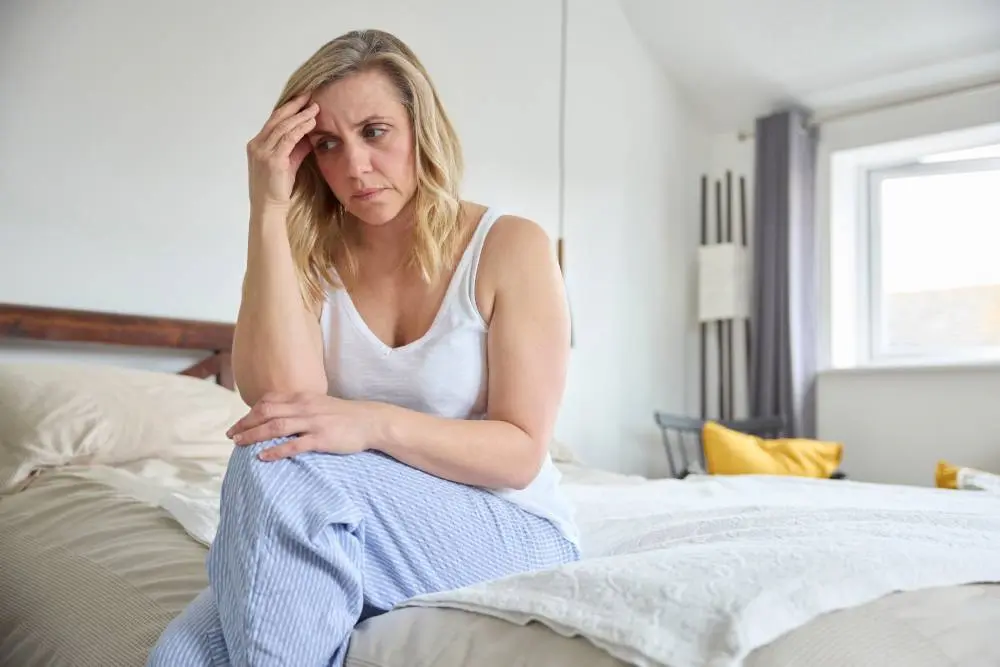
The menopausal transition does not look the same for everyone. Some people experience few symptoms, while others may find that symptoms affect sleep, work, relationships, or everyday activities.
Changes in Menstrual Periods
Changes in the menstrual cycle are often among the earliest signs of perimenopause. Periods may become irregular, heavier or lighter, or occur at different intervals before eventually stopping.
Hot Flashes and Night Sweats
Hot flashes are sudden sensations of heat that commonly affect the face, neck, or chest. Sweating, flushing, and chills may occur at the same time. When hot flashes happen during sleep, they can lead to night sweats and interrupted sleep.
Sleep Problems
Difficulty falling asleep or staying asleep can occur during the menopausal transition. Night sweats may also disrupt sleep and contribute to tiredness during the day.
Mood Changes
Hormonal changes during perimenopause and menopause may be associated with irritability, anxiety, low mood, or other changes in emotional wellbeing. Poor sleep and other physical symptoms can also contribute to these changes.
Vaginal Dryness and Urinary Symptoms
Declining estrogen levels can affect vaginal and urinary tissues. Some people may experience vaginal dryness, discomfort during sexual activity, urinary urgency, or more frequent urinary tract infections.
Changes in Memory and Concentration
Difficulty concentrating, remembering information, or finding the right words may occur during the menopausal transition. These experiences are sometimes referred to as “brain fog.”
Other Possible Symptoms
Other symptoms reported during menopause may include headaches or migraines, joint and muscle aches, reduced libido, skin changes, hair thinning, and palpitations.
What Causes Menopause?
Natural menopause occurs as ovarian function gradually declines. The ovaries produce less estrogen and progesterone, ovulation eventually stops, and menstrual periods come to an end.
Menopause can also occur earlier as a result of medical or surgical treatment. For example, removal of both ovaries causes an immediate decline in ovarian hormone production. Chemotherapy and some types of radiation therapy may also affect ovarian function.
What Is Early or Premature Menopause?
Menopause occurring before the age of 45 is generally described as early menopause, while menopause before the age of 40 is often referred to as premature menopause.
Primary ovarian insufficiency is one possible cause, although the underlying reason cannot always be identified.
When menopause occurs at a younger age, medical assessment may be recommended because reduced estrogen exposure over a longer period can affect bone and cardiovascular health.
How Is Menopause Diagnosed?
Menopause can often be identified from a person's age, menstrual history, and symptoms. Hormone testing is not always necessary, particularly when the menstrual pattern and symptoms are consistent with the menopausal transition.
Additional tests may be considered when symptoms are unusual or another condition, such as a thyroid disorder, could explain similar changes.
How Is Menopause Treated?
Menopause itself does not necessarily require treatment. When symptoms become bothersome, management focuses on reducing symptoms, improving quality of life, and addressing longer-term health considerations.
Hormone Therapy
Hormone therapy can help manage symptoms such as hot flashes and night sweats and may also help reduce bone loss in appropriate patients.
The choice of treatment depends on factors such as age, symptoms, medical history, and whether the uterus is present. People who have a uterus generally need a progestogen alongside systemic estrogen to protect the uterine lining.
Hormone therapy is not suitable for everyone. The potential benefits and risks should therefore be discussed with a healthcare professional.
Vaginal Estrogen
Low-dose vaginal estrogen may help relieve vaginal dryness, discomfort during sexual activity, and certain urinary symptoms. It is used locally and differs from systemic hormone therapy.
Non-Hormonal Treatments
Non-hormonal treatment options may be considered for people who cannot or do not want to use hormone therapy, or when additional symptom management is needed.
Depending on the symptoms and individual circumstances, options may include certain antidepressants, gabapentin, clonidine, or cognitive behavioural therapy.
What Lifestyle Changes May Help During Menopause?
Healthy lifestyle habits can support overall wellbeing during and after menopause and may help some people manage their symptoms.
- Exercise regularly, including weight-bearing and strength exercises.
- Follow a balanced diet that supports bone and cardiovascular health.
- Maintain a regular sleep routine and aim for sufficient sleep.
- Avoid smoking.
- Pay attention to personal triggers for hot flashes, such as warm environments or certain foods and drinks.
- Keep up with regular health checks and discuss significant changes in symptoms with a healthcare professional.
How Can Menopause Affect Long-Term Health?
Hormonal changes after menopause are associated with several long-term health considerations. Bone density may decrease, increasing the risk of osteoporosis, while cardiovascular risk also increases with age and after menopause.
Vaginal and urinary symptoms may persist or become more noticeable over time. Sexual health concerns can also continue after menopause. Regular preventive healthcare can help identify these issues and determine whether further assessment or treatment is appropriate.
When Should You See a Doctor About Menopause?
Medical advice may be appropriate when menopausal or perimenopausal symptoms begin to interfere with daily activities, sleep, work, or relationships.
An evaluation may also be recommended when symptoms occur earlier than expected or are particularly severe.
Any vaginal bleeding after 12 months without a menstrual period should be medically evaluated because postmenopausal bleeding can have causes other than normal menopause.
Clinical Insight
Menopause is a normal biological transition, but the experience can vary significantly from one person to another. A medical evaluation can help distinguish menopausal symptoms from other conditions with similar features and determine whether treatment or further assessment is needed.
Individual considerations may include symptom management, hormone therapy, bone health, cardiovascular health, and other aspects of long-term wellbeing.
Which Department Should I Visit for Menopause?
The Gynecology and Obstetrics department can evaluate menstrual changes and menopausal symptoms and discuss appropriate management options.
Depending on individual needs, other specialties may also be involved. For example, additional evaluation may be considered for concerns related to osteoporosis, cardiovascular health, or thyroid disorders.