


 Let Us Call You


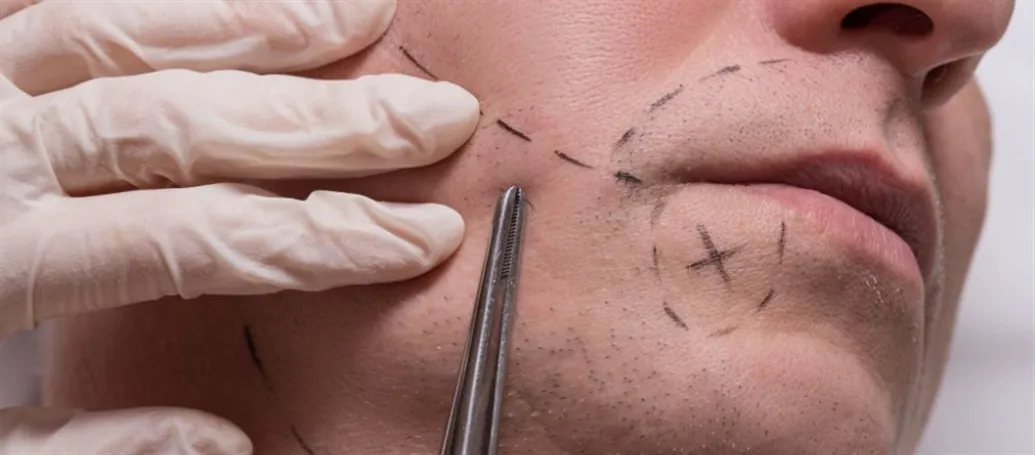
A beard transplant is a cosmetic procedure that moves hair follicles, usually from the back of the scalp, to areas of the face where beard growth is thin, patchy or missing. It is usually done in one day under local anaesthetic, and you go home the same day. The transplanted hairs often fall out within a few weeks before regrowing, and the final result can take up to 18 months to appear. Anyone considering a beard transplant in Turkey needs to plan for recovery and for follow-up after returning home. The cost depends on the area treated, the number of grafts and the aftercare included, and is confirmed after a consultation.
Key Takeaways
- A beard transplant uses your own hair, so the new beard hair keeps growing like scalp hair.
- Most people can return to work within 1-2 weeks.
- New hair usually starts to appear about 4 months after the procedure.
- Hair transplants are not usually suitable for patchy hair loss caused by alopecia areata.
What Is A Beard Transplant?
A beard transplant is a type of hair transplant in which individual hair follicles are moved to the cheeks, chin, jawline or moustache area. It is used to fill gaps, make a beard look thicker or cover scars where hair does not grow.
Who May Be Suitable
- People whose beard grows thinly or in patches because of their genes
- People with scars on the face where hair does not grow
- People with enough healthy hair at the back of the scalp to use as donor hair
Who May Not Be Suitable
- People with hair loss caused by alopecia areata, which can affect transplanted hair too
- People with an active skin infection or skin condition on the face
- People who expect a result that the donor hair cannot provide
How Is A Beard Transplant Done?
Most beard transplants use a technique called follicular unit extraction (FUE). The procedure is usually done under local anaesthetic, sometimes with sedation, so you are awake but should not feel pain.
Planning The Beard Shape
The surgeon discusses the beard line and density you want and marks the areas to be treated on your face.
Taking The Donor Hair
Hair at the back of the scalp is trimmed, and individual follicles are removed one at a time. This leaves many tiny scars that are usually hard to see once the hair grows back.
Placing The Grafts
Each graft is placed into a tiny cut in the beard area, following the natural angle and direction of facial hair so the result looks natural.
A larger area may need more than one session on different days.
How Much Does A Beard Transplant In Turkey Cost?
The cost of a beard transplant in Turkey does not have a single fixed figure, because each procedure is planned around the person. It is usually confirmed after a consultation and examination of the face and donor area.
The main factors that affect the cost are:
- The size of the area to be treated
- The number of grafts needed
- The technique used
- Whether more than one session is needed
- What follow-up care is included
Ask for a written plan that lists each stage and the aftercare included, so you can compare options clearly.
What Is Recovery Like After A Beard Transplant?
Recovery after a beard transplant happens in stages. Your surgeon will give you instructions based on your procedure, and following them helps protect the new grafts.
The First 2 Weeks
The treated areas may feel tight, sore or swollen for a few days, and small scabs form around the grafts. The grafts are not yet secure, so they need to be handled with great care. Most people take 1-2 weeks off work.
The First Month
Strenuous exercise may need to be reduced for about a month. Your surgeon will advise when you can wash your face normally and when you can shave or trim the area.
After A Few Weeks
The transplanted hairs often fall out. This is expected, as the follicles stay in place and grow new hair later.
From About 4 Months
New hair usually begins to appear, and the beard gradually becomes fuller. The full result can take 10-18 months to be seen.
What Are The Side Effects And Risks Of A Beard Transplant?
Most side effects of a beard transplant are temporary, but like any procedure it carries some risks. Your surgeon should explain these before you agree to treatment.
Common side effects include:
- Tightness, aching or swelling for a few days
- Redness and temporary scabbing
- Small scars at the donor area
Less common risks include:
- Bleeding or infection
- An allergic reaction to the anaesthetic
- Grafts that do not take
- Hair growing at an unnatural angle or density
- A noticeable scar
What Should You Plan For When Having A Beard Transplant In Turkey?
Having a beard transplant in Turkey means planning the procedure, recovery and follow-up across two countries. Check the details before you travel so that any problems can be dealt with quickly.
- Check the qualifications and experience of the doctor who will perform the procedure, and the registration of the clinic or hospital.
- Ask who carries out each stage of the procedure.
- Ask your own doctor for a second opinion, especially if you have a skin or hair condition.
- Allow enough time to recover before travelling home.
- Bring your treatment notes home and plan follow-up checks near where you live.
If you are thinking about a beard transplant, an assessment by a plastic, reconstructive and aesthetic surgery specialist is advisable.


