


 Let Us Call You


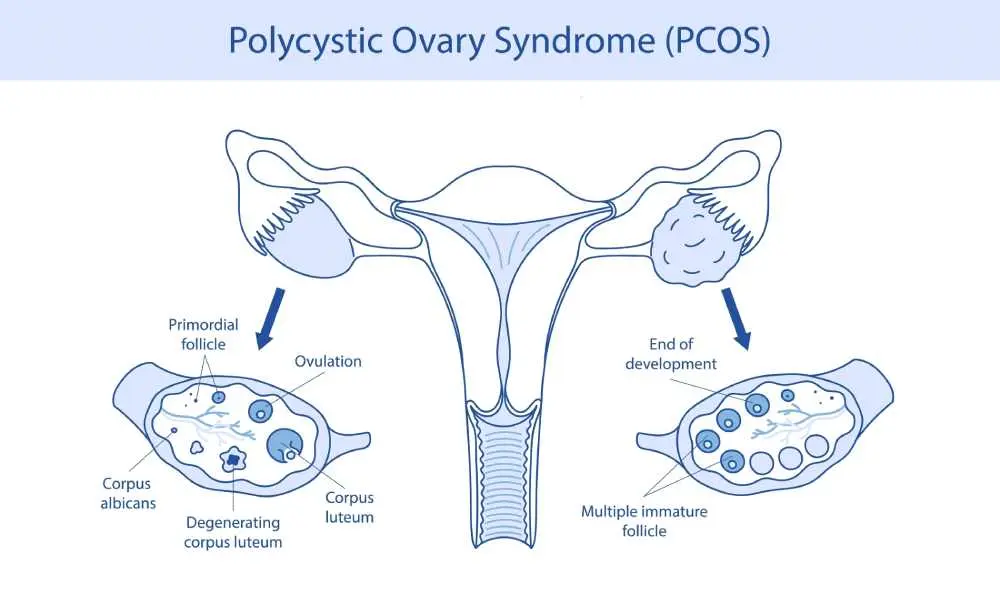
Polycystic ovary syndrome meaning refers to a complex hormonal disorder that affects individuals of reproductive age, characterized by irregular menstrual cycles and elevated androgen levels. This condition involves the development of numerous small collections of fluid, called follicles, along the outer edge of the ovary, which often fail to regularly release eggs.
Beyond the reproductive system, it is recognized as a systemic metabolic issue that can increase the risk of developing type 2 diabetes and heart disease later in life. Early identification and a comprehensive management plan are essential to mitigate long-term health complications and improve daily quality of life.
What Polycystic Ovarian Syndrome?
Clinicians classify this condition using the polycystic ovary syndrome icd 10 code E28.2 to standardize the diagnosis of this endocrine disturbance. While the name suggests the presence of many cysts, polycystic ovarian syndrome is primarily a hormonal imbalance rather than a disease of the ovaries themselves.
These "cysts" are actually immature follicles that have stopped developing due to the disruption in the body's normal chemical signaling. Because the syndrome manifests differently in every individual, it is often viewed as a spectrum of symptoms ranging from mild cycle irregularities to significant metabolic and physical changes.
What Are The Causes Of Pcos?
The exact triggers of polycystic ovary syndrome pcos remain the subject of intense medical research, though insulin resistance is believed to be a primary driver.
- Insulin Resistance: When cells become resistant to insulin, blood sugar levels rise, prompting the body to produce more insulin, which in turn triggers excess androgen production.
- Low-Grade Inflammation: Research shows that people with this condition often have a type of low-grade inflammation that stimulates polycystic ovaries to produce androgens.
- Heredity: Genetics play a significant role, as certain genes might be linked to the development of the syndrome if there is a family history.
- Excess Androgen: The ovaries produce abnormally high levels of male hormones, resulting in physical signs like hirsutism and acne.
Polycystic Ovary Syndrome Symptoms
The onset of polycystic ovary syndrome symptoms typically occurs around the time of the first menstrual period during puberty, though it can develop later in response to substantial weight gain.
- Irregular Periods: Having infrequent, irregular, or prolonged menstrual cycles is the most common sign of the disorder.
- Excess Androgen: Elevated levels of male hormones may result in excess facial and body hair (hirsutism) and severe adolescent or adult acne.
- Polycystic Ovaries: The ovaries might be enlarged and contain follicles that surround the eggs, leading to impaired organ function.
- Weight Gain: Many individuals struggle with weight management or find it particularly difficult to lose weight despite diet and exercise.
- Skin Darkening: Darkening of the skin (acanthosis nigricans) may occur along neck creases, the groin, and underneath the breasts.
Polycystic Ovary Syndrome Diagnostic Criteria
Advanced polycystic ovary syndrome radiology plays a vital role in the diagnostic process by allowing doctors to visualize the characteristic "string of pearls" follicle pattern on the ovaries. To reach a formal diagnosis, physicians generally follow the Rotterdam criteria, which require the presence of at least two of the following: irregular periods, clinical or biochemical signs of high androgens, and polycystic ovaries.
Additionally, specific tests for polycystic ovarian syndrome include comprehensive blood panels to measure hormone levels, glucose tolerance, and cholesterol to assess metabolic health. A physical examination and a thorough review of the patient's medical history are also standard parts of the evaluation.
How To Treat Polycystic Ovary Syndrome Pcos?
A tailored polycystic ovary syndrome treatment plan usually focuses on managing individual concerns, such as infertility, hirsutism, acne, or obesity. While there is currently no known way to fully cure polycystic ovary syndrome, lifestyle changes involving a low-glycemic diet and increased physical activity can significantly restore hormonal balance.
For those not seeking pregnancy, birth control pills are often the first line of defense to regulate cycles and lower androgen levels. If insulin resistance is a factor, medications like metformin may be prescribed to improve the body's response to insulin and aid in weight regulation.
Frequently Asked Questions About Polycystic Ovary Syndrome
What is the best way to treat PCOS?
The most effective approach combines healthy lifestyle modifications with targeted medications to regulate menstrual cycles and manage metabolic symptoms like insulin resistance.
Can a PCOS girl get pregnant?
Yes, most people with this condition can conceive, though they may require ovulation-inducing medications or fertility treatments to assist with the process.
Which medical department should be consulted for Polycystic Ovary Syndrome?
Patients should primarily consult the Gynecology or Endocrinology departments, as these specialists focus on reproductive health and hormonal disorders.


