


 Let Us Call You


Cholesterol is a waxy, fat-like substance found in the blood that plays a vital role in many bodily functions. It is essential for building healthy cells, producing hormones, and supporting digestion. However, when cholesterol levels become too high, they can increase the risk of cardiovascular disease.
Many people are unaware they have high cholesterol because it typically does not cause noticeable symptoms. Over time, excess cholesterol can accumulate in the arteries, causing them to narrow and restricting blood flow. Understanding cholesterol levels and what they mean is essential for protecting long-term heart health.
Key Takeaways
- Cholesterol is essential for the body but can be harmful when levels are too high.
- Blood cholesterol levels help assess the risk of heart disease.
- Lifestyle changes and regular testing are key to managing cholesterol.
- Table Of Contents
- What is Cholesterol?
- What Are the Types of Cholesterol?
- What Do Blood Cholesterol Levels Mean?
- Why Are My Cholesterol Levels Important?
- What Are Normal Cholesterol Levels?
- What Causes High Cholesterol?
- What are the Risk Factors for High Cholesterol?
- What are the Complications of High Cholesterol?
- How is Cholesterol Diagnosed?
- What’s the Treatment for High Cholesterol?
- Can High Cholesterol Be Prevented?
What is Cholesterol?
Cholesterol is a type of lipid that is produced naturally by the liver and also obtained from certain foods. It circulates in the bloodstream attached to proteins, forming lipoproteins. The body needs cholesterol to produce hormones, vitamin D, and bile acids that help digest fats. However, when cholesterol levels become imbalanced, plaque can build up in the arteries. Over time, this buildup can interfere with normal blood flow and increase cardiovascular risk.
What Are the Types of Cholesterol?
Cholesterol is categorized into different types based on how it is transported in the blood. Each type has a unique function and impact on health.
Types include:
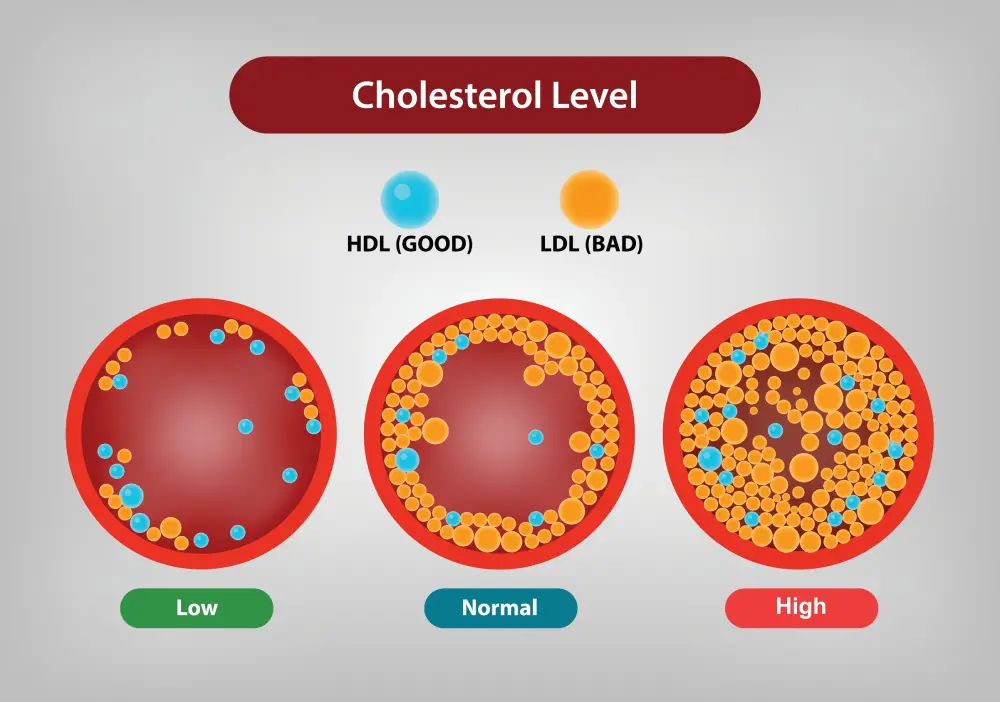
- LDL (low-density lipoprotein): Often called “bad” cholesterol because it contributes to plaque buildup in the arteries
- HDL (high-density lipoprotein): Known as “good” cholesterol because it helps remove excess cholesterol from the bloodstream
- Triglycerides: A type of fat that stores unused calories and can increase cardiovascular risk when elevated.
Maintaining a healthy balance between these types is important for overall cardiovascular health.
What Do Blood Cholesterol Levels Mean?
Blood cholesterol levels represent the amount of different lipids in your bloodstream and are measured through a lipid panel test. These values provide important insight into your risk of developing heart disease or other cardiovascular conditions. Each value reflects how cholesterol is transported and processed in the body.
Cholesterol measurements typically include:
- Total cholesterol
- LDL (bad cholesterol)
- HDL (good cholesterol)
- Triglycerides
Interpreting these values together provides a more complete picture of cardiovascular health than considering a single value alone.
Why Are My Cholesterol Levels Important?
Cholesterol levels are important because they help identify potential risks before symptoms appear. High LDL levels can lead to plaque buildup in the arteries, while low HDL levels may reduce the body’s ability to remove excess cholesterol. This imbalance increases the risk of conditions such as heart disease and stroke.
Regular monitoring allows for early detection and timely lifestyle changes or treatment. It also helps healthcare providers develop personalized plans to reduce long-term health risks.
What Are Normal Cholesterol Levels?
Normal cholesterol levels can vary depending on factors such as age, sex, and medical history. In general, lower LDL levels and higher HDL levels are considered healthier. Healthcare providers use these values to assess cardiovascular risk and guide treatment decisions.
General reference ranges:
- Total cholesterol: Less than 200 mg/dL
- LDL: Less than 100 mg/dL
- HDL: 40 mg/dL or higher (men), 50 mg/dL or higher (women)
- Triglycerides: Less than 150 mg/dL
These ranges may vary slightly depending on individual risk factors and clinical guidelines.
What Causes High Cholesterol?
High cholesterol can develop due to a combination of lifestyle factors and genetic predisposition. Diets high in saturated fats and trans fats can increase cholesterol levels, while physical inactivity can reduce the body’s ability to regulate them. In some cases, individuals may inherit conditions that cause high cholesterol regardless of lifestyle.
Common causes include:
- Diet high in unhealthy fats
- Lack of physical activity
- Smoking
- Excess alcohol consumption
- Genetic factors
Understanding the cause is important for determining the most effective management strategy.
What are the Risk Factors for High Cholesterol?
Certain factors increase the likelihood of developing high cholesterol. These include both modifiable and non-modifiable risks. Identifying these factors can help guide prevention strategies and early intervention.
Risk factors include:
- Obesity
- Sedentary lifestyle
- Poor diet
- Age
- Family history
- Chronic conditions such as diabetes
Addressing modifiable risk factors can significantly reduce the likelihood of developing complications.
What are the Complications of High Cholesterol?
If left untreated, high cholesterol can lead to serious health complications. Excess cholesterol can accumulate in the walls of arteries, forming plaques that narrow or block blood flow. This process is known as atherosclerosis.
Possible complications include:
These conditions can develop gradually and may become life-threatening without proper management.
How is Cholesterol Diagnosed?
Cholesterol is diagnosed through a blood test known as a lipid panel. This test measures total cholesterol, LDL, HDL, and triglycerides. It is a simple and widely used method for assessing cardiovascular risk.
Regular screening is important because high cholesterol often develops without symptoms. Early diagnosis allows for timely intervention and better long-term outcomes.
What’s the Treatment for High Cholesterol?
Treatment for high cholesterol focuses on lowering levels and reducing the risk of cardiovascular disease. In many cases, lifestyle changes are the first step. However, medication may be required for individuals with higher risk levels.
Treatment options include:
Healthy, balanced diet
- Regular physical activity
- Weight management
- Medications such as statins
Long-term management is often necessary to maintain healthy cholesterol levels.
Can High Cholesterol Be Prevented?
High cholesterol can often be prevented by adopting healthy lifestyle habits. Consistent daily choices play a key role in maintaining balanced cholesterol levels. Prevention is especially important for individuals with risk factors or a family history of high cholesterol.
Prevention tips include:
- Eat a balanced and nutritious diet
- Exercise regularly
- Maintain a healthy weight
- Avoid smoking
These strategies can significantly reduce the risk of cardiovascular disease over time.
How often should I get my cholesterol checked?
Cholesterol levels should be checked regularly, even in individuals without symptoms. The recommended frequency depends on age, overall health, and risk factors. Routine testing helps detect changes early and allows for timely management.
Most adults are advised to have their cholesterol checked every 4–6 years, while those with risk factors may need more frequent testing.
Which department should I visit?
Patients with cholesterol concerns should consult the Cardiology or Internal Diseases department. Early evaluation helps reduce long-term cardiovascular risks and supports effective management.


