


 Let Us Call You


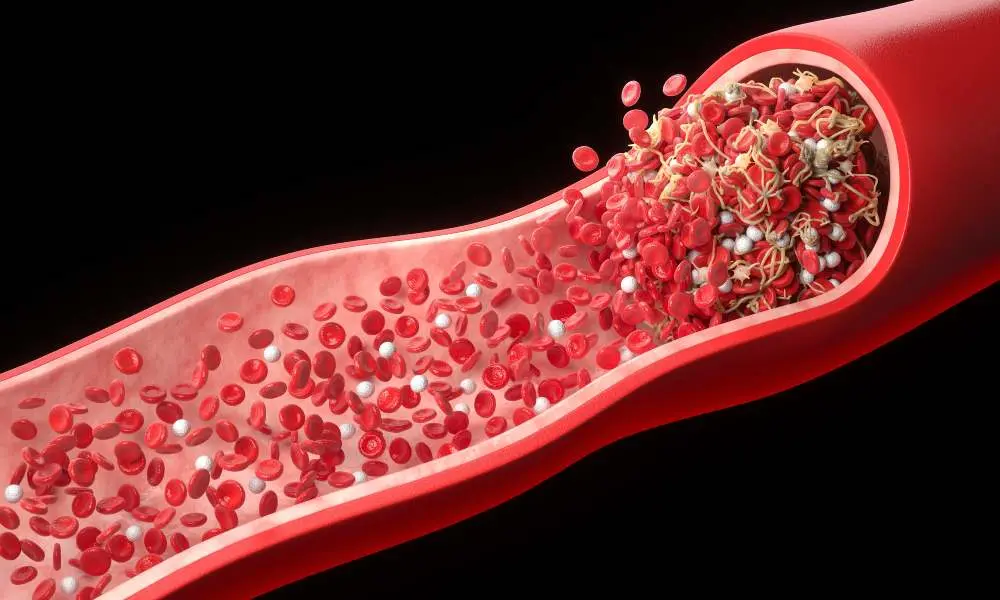
An embolism is a blockage in a blood vessel caused by material that travels through the bloodstream and becomes lodged in a narrower vessel. Blood clots are the most common cause, but an embolism can also result from air, fat, tumor material or other substances. The symptoms and severity depend largely on where the blockage occurs.
Key Takeaways
- An embolism occurs when material traveling through the bloodstream blocks a blood vessel.
- Blood clots are the most common cause, but embolisms can also involve air, fat, tumor material or infected material.
- Symptoms vary according to the location of the blockage and may include shortness of breath, chest pain, swelling, weakness, dizziness or neurological symptoms.
- Pulmonary embolism (PE) occurs when a blood clot travels to the lungs and can be life-threatening.
- Prompt medical evaluation is important when symptoms suggest an embolism because the blockage can reduce blood and oxygen supply to affected tissues.
- Table Of Contents
- What is an Embolism?
- What Are the Types of Embolism?
- What Causes an Embolism?
- What Are the Symptoms of an Embolism?
- Symptoms of Pulmonary Embolism
- How Is an Embolism Diagnosed?
- How Is an Embolism Treated?
- What Are the Benefits and Possible Risks of Treatment?
- What Is Recovery Like After an Embolism?
- When Is an Embolism an Emergency?
What is an Embolism?
An embolism is a blockage of a blood vessel by an embolus, meaning material that has traveled through the bloodstream from another location. In many cases, the embolus is a blood clot that has broken away from a vein or another blood vessel. Once it reaches a vessel that is too narrow for it to pass through, it can obstruct blood flow.
The term embolism describes the blockage itself, while thromboembolism refers specifically to an embolism caused by a blood clot. Embolisms can occur in different parts of the body, including the lungs, brain, kidneys and other organs.
One of the most common forms is pulmonary embolism, in which a blood clot, often originating in a deep vein of the leg or pelvis, travels to the lungs and blocks a pulmonary blood vessel.
What Are the Types of Embolism?
Embolisms can be classified according to the material causing the blockage. The main types include:
Blood Clot Embolism
A blood clot is the most common source of an embolism. A clot can form in a deep vein and then break away, traveling through the bloodstream. If it reaches the lungs, it can cause a pulmonary embolism.
Pulmonary Embolism
A pulmonary embolism (PE) occurs when a blood clot blocks a blood vessel in the lungs. Most pulmonary emboli originate from deep vein thrombosis (DVT), usually in the leg or pelvis. PE can cause sudden breathing difficulties, chest pain and other potentially serious symptoms.
Arterial Embolism
An arterial embolism occurs when an embolus travels through an artery and becomes lodged in a smaller blood vessel. This can restrict blood flow to areas such as the arms, legs or feet. If blood supply remains blocked, the affected tissue can become damaged.
Air or Gas Embolism
An air or gas embolism occurs when an air bubble enters a vein or artery and obstructs blood flow. These events are uncommon but can be serious. They can occur as complications of certain medical procedures and, in some circumstances, after rapid ascent during deep-sea diving.
What Causes an Embolism?
The causes of an embolism depend on the type. For blood-clot-related embolism, the underlying process often begins with a clot forming in a vein. A piece of the clot can then detach and travel through the bloodstream.
For venous thromboembolism, important factors that can increase the risk include:
- Prolonged immobility or bed rest
- Major surgery
- Severe injury or trauma
- Previous DVT or pulmonary embolism
- Cancer and some cancer treatments
- Heart or lung disease
- Pregnancy and the period following childbirth
- Estrogen-containing contraceptives or hormone therapy
- Inherited clotting disorders
- Increasing age
- Overweight or obesity
- Family history of DVT or PE
- Long periods of sitting or limited movement
The likelihood of developing a blood clot can increase when several risk factors occur together.
What Are the Symptoms of an Embolism?
Embolism symptoms vary significantly depending on the size and location of the blockage. Some embolisms may cause few or no noticeable symptoms, while others can produce severe and sudden symptoms.
Possible symptoms include:
- Shortness of breath
- Chest pain
- Fast heartbeat
- Rapid breathing
- Weakness
- Dizziness or fainting
- Headache
- Nausea or vomiting
- Limb swelling
- Low blood pressure
- Neurological symptoms such as seizures or changes in consciousness
Symptoms of Pulmonary Embolism
A pulmonary embolism may cause sudden shortness of breath, sharp chest pain that can become worse with deep breathing or coughing, rapid heartbeat, dizziness, fainting or coughing up blood.
A person can also develop a pulmonary embolism without having obvious symptoms of DVT beforehand.
How Is an Embolism Diagnosed?
There is no single test that can diagnose every type of embolism. The evaluation depends on the suspected location, symptoms and clinical circumstances.
A healthcare professional may perform a physical examination and use tests such as:
- Blood tests
- Doppler ultrasound
- Electrocardiogram (ECG/EKG)
- Computed tomography (CT)
- CT pulmonary angiography for suspected pulmonary embolism
- Magnetic resonance imaging (MRI) or magnetic resonance angiography
- Echocardiography
- Angiography
For suspected pulmonary embolism, diagnosis requires objective testing because symptoms can overlap with other conditions, including heart attack and pneumonia. Depending on the clinical probability, D-dimer testing and imaging may be incorporated into the diagnostic process.
How Is an Embolism Treated?
Treatment depends on the type, location and severity of the embolism and the person's overall clinical condition.
1. Anticoagulant Treatment
For blood-clot-related embolisms such as DVT and many pulmonary emboli, anticoagulants are commonly used. These medications reduce the blood's ability to form additional clots and help prevent an existing clot from becoming larger while the body gradually breaks it down.
2. Thrombolytic Treatment
Thrombolytics are medications that dissolve blood clots. Because they can cause significant bleeding, they are generally reserved for selected severe or life-threatening cases.
3. Catheter-Based Treatment or Embolectomy
In selected severe cases, a clot may be removed using a catheter-based procedure or surgery. These approaches may be considered when anticoagulation is insufficient, contraindicated or when the embolism is causing severe circulatory problems.
4. Supportive Treatment
Depending on the type and severity of embolism, supportive treatment may include oxygen, management of blood pressure and other measures to stabilize circulation and organ function.
Treatment should therefore be determined according to the specific type and severity of embolism rather than using a single approach for every patient.
What Are the Benefits and Possible Risks of Treatment?
The primary goal of embolism treatment is to restore or maintain blood flow, prevent the blockage from worsening and reduce the risk of further emboli. Prompt diagnosis and treatment can be particularly important for pulmonary embolism because severe obstruction can impair circulation and oxygen delivery.
Treatment also has potential risks. The most important complication associated with anticoagulant and thrombolytic therapy is bleeding. Thrombolytic medications generally carry a greater bleeding risk than anticoagulants and are therefore reserved for selected situations.
Procedural treatments may also carry risks related to the intervention itself, depending on the location and technique used.
What Is Recovery Like After an Embolism?
Recovery depends on the location and severity of the embolism, the amount of tissue affected and the underlying cause. Some people recover with medical treatment, while severe embolisms can result in long-term complications or organ damage.
After DVT or pulmonary embolism, follow-up may be necessary to monitor treatment, assess the risk of another clot and identify possible complications. The CDC notes that some people who have experienced VTE can develop long-term complications, including post-thrombotic syndrome after DVT or chronic thromboembolic pulmonary hypertension after PE.
The duration of anticoagulant treatment varies according to the circumstances and recurrence risk and should be determined by the treating healthcare professional.
When Is an Embolism an Emergency?
Some types of embolism require immediate medical attention.
Seek emergency medical care for symptoms such as:
- Sudden difficulty breathing
- Sudden or severe chest pain
- Coughing up blood
- Fainting or severe dizziness
- Very fast or irregular heartbeat
- Sudden weakness or neurological changes
- Severe or rapidly worsening symptoms
A suspected pulmonary embolism is a medical emergency. Similarly, an arterial embolism can threaten the blood supply to an affected limb or organ and requires urgent assessment.


