


 Let Us Call You


Pomegranate is a nutrient-dense fruit known for its bright red seeds, refreshing flavor, and high antioxidant content. It has been consumed for centuries in many cultures and is now widely recognized for its potential health benefits. Pomegranates contain fiber, vitamins, minerals, and plant compounds that may help support overall well-being.
Both pomegranate seeds and pomegranate juice are commonly included in healthy eating patterns such as the Mediterranean diet. Research continues to explore the potential effects of pomegranate on heart health, inflammation, exercise performance, and other aspects of wellness.
Key Takeaways
- Pomegranate is rich in antioxidants, vitamins, minerals, and plant compounds that support overall health.
- Research suggests pomegranates may help support heart health, inflammation balance, and exercise recovery.
- Pomegranate seeds and juice can be part of a balanced and nutrient-rich diet.
What Makes Pomegranate Nutritious?
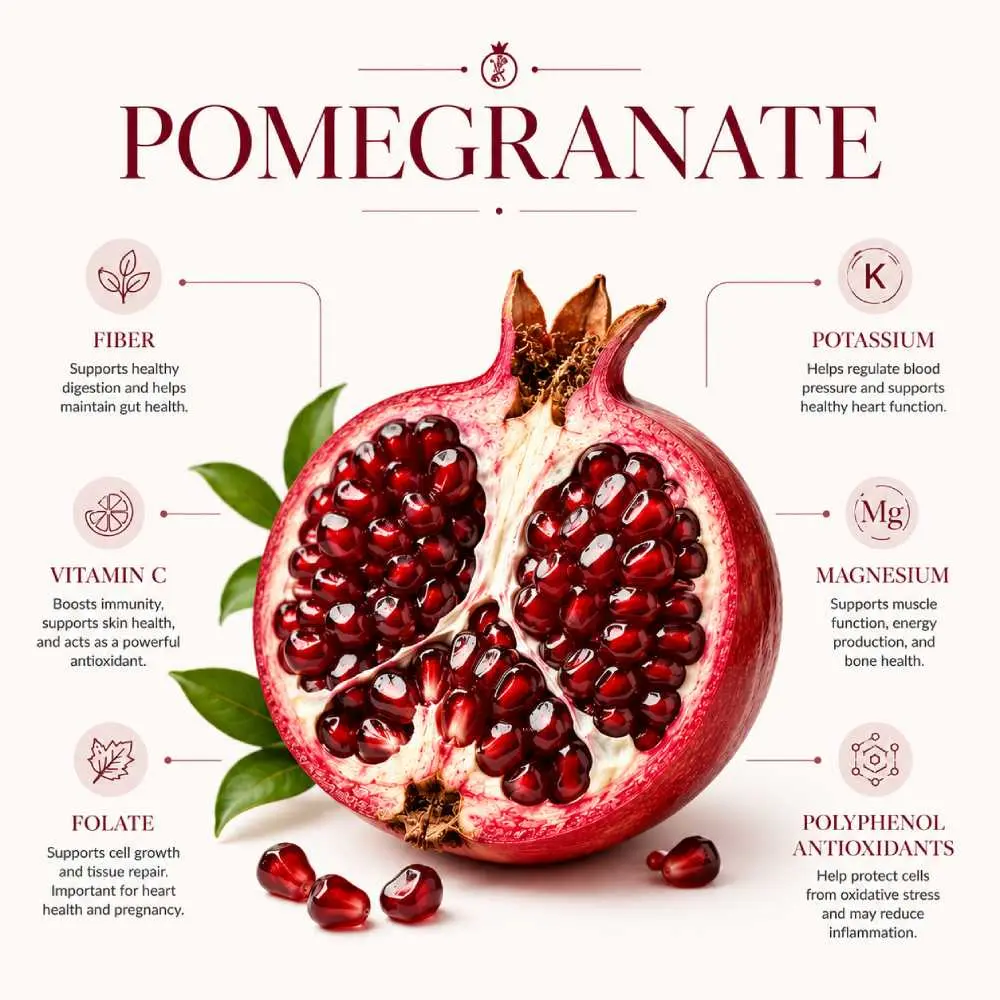
Pomegranates are low in fat and rich in nutrients, antioxidants, and fiber. The edible seeds, called arils, contain vitamins and plant compounds that may help protect cells from oxidative stress.
Pomegranate contains:
These nutrients contribute to overall health and help make pomegranate a popular functional food.
Benefits of Pomegranate for Overall Health
Pomegranates contain powerful antioxidants such as punicalagins, anthocyanins, and tannins. These compounds may help reduce oxidative stress caused by free radicals in the body. Oxidative stress has been linked to aging and various chronic diseases.
Research suggests that regularly consuming antioxidant-rich foods like pomegranate may support long-term health and cellular protection.
May Support Heart Health
One of the most studied benefits of pomegranate is its potential role in cardiovascular health. Some studies suggest that pomegranate juice and seeds may help support healthy blood pressure levels and improve blood vessel function.
Research has also explored the relationship between pomegranate consumption and cholesterol balance. Some findings suggest it may help reduce LDL (bad) cholesterol oxidation and support arterial health.
May Help Reduce Inflammation
Pomegranates are rich in anti-inflammatory plant compounds that may help reduce inflammatory markers in the body. Chronic inflammation has been associated with several health conditions, including cardiovascular disease and metabolic disorders.
Including antioxidant-rich fruits such as pomegranate in a balanced diet may help support the body’s natural inflammatory response.
May Support Exercise Performance
Research suggests that pomegranate may help support blood flow and oxygen delivery during exercise due to its antioxidant and nitrate-related compounds. Some studies also indicate potential benefits for reducing muscle soreness and improving exercise endurance.
Because of these potential effects, pomegranate juice is sometimes consumed before physical activity or workouts.
Clinical Insight: Research on Pomegranate and Cardiovascular Health
A review published suggests that pomegranate contains bioactive compounds with antioxidant and anti-inflammatory effects that may support cardiovascular health. Researchers noted potential benefits related to blood pressure, oxidative stress, and cholesterol balance. However, experts emphasize that pomegranate should be considered part of an overall balanced diet rather than a standalone treatment approach.
Pomegranate Seeds vs. Pomegranate Juice
Both pomegranate seeds and juice offer nutritional benefits, but there are some differences between them. Whole seeds provide more fiber, while juice may contain concentrated antioxidants.
Pomegranate seeds may provide:
- More dietary fiber
- Better satiety support
- Lower sugar concentration compared to some juices
- Pomegranate juice may provide:
- Concentrated antioxidants
- Easier consumption
- Hydration support
Choosing unsweetened juice and consuming whole fruit when possible may help maximize nutritional value.
Are There Any Risks or Side Effects?
Pomegranate is generally considered safe for most people when consumed as part of a balanced diet. However, some individuals may need to be cautious, especially if they have certain medical conditions or use specific medications.
Possible considerations include:
- Interaction with some medications
- Digestive discomfort when consumed excessively
- Added sugar in packaged juices
Individuals with chronic conditions or medication use should consult a healthcare professional regarding dietary changes.
How Can You Add Pomegranate to Your Diet?
Pomegranate can be consumed in several different ways as part of a balanced eating routine.
Popular ways to eat pomegranate include:
- Adding seeds to yogurt or oatmeal
- Using pomegranate in salads
- Drinking unsweetened pomegranate juice
- Mixing seeds into smoothies
- Using pomegranate as a snack or topping
- Fresh seeds generally provide more fiber compared to juice alone.
Which department should I visit?
Individuals seeking nutritional guidance related to heart health, balanced diet planning, or antioxidant-rich nutrition may consult the Nutrition and Dietetics or Internal Diseases department.