


 Let Us Call You


Dates are naturally sweet fruits that have been consumed for thousands of years in various cultures around the world. They are known for their rich nutritional profile, providing fiber, antioxidants, vitamins, and minerals. Although dates are naturally high in sugar, they also provide nutrients that may contribute to overall health when consumed in moderation as part of a balanced diet.
Dates are commonly eaten as a snack, added to smoothies, incorporated into desserts, or used as a natural sweetener. Research continues to explore their potential role in digestive health, heart health, and overall wellness.
Key Takeaways
- Dates are rich in fiber, antioxidants, and essential minerals.
- Research suggests dates may support digestive health, heart health, and overall wellness.
- Dates contain natural sugars that provide a quick source of energy.
- They are a source of potassium, magnesium, and other important nutrients.
- Dates can be enjoyed on their own or incorporated into a variety of meals and snacks.
- Dates may be included in balanced dietary patterns when consumed in moderation.
What Makes Dates Nutritious?
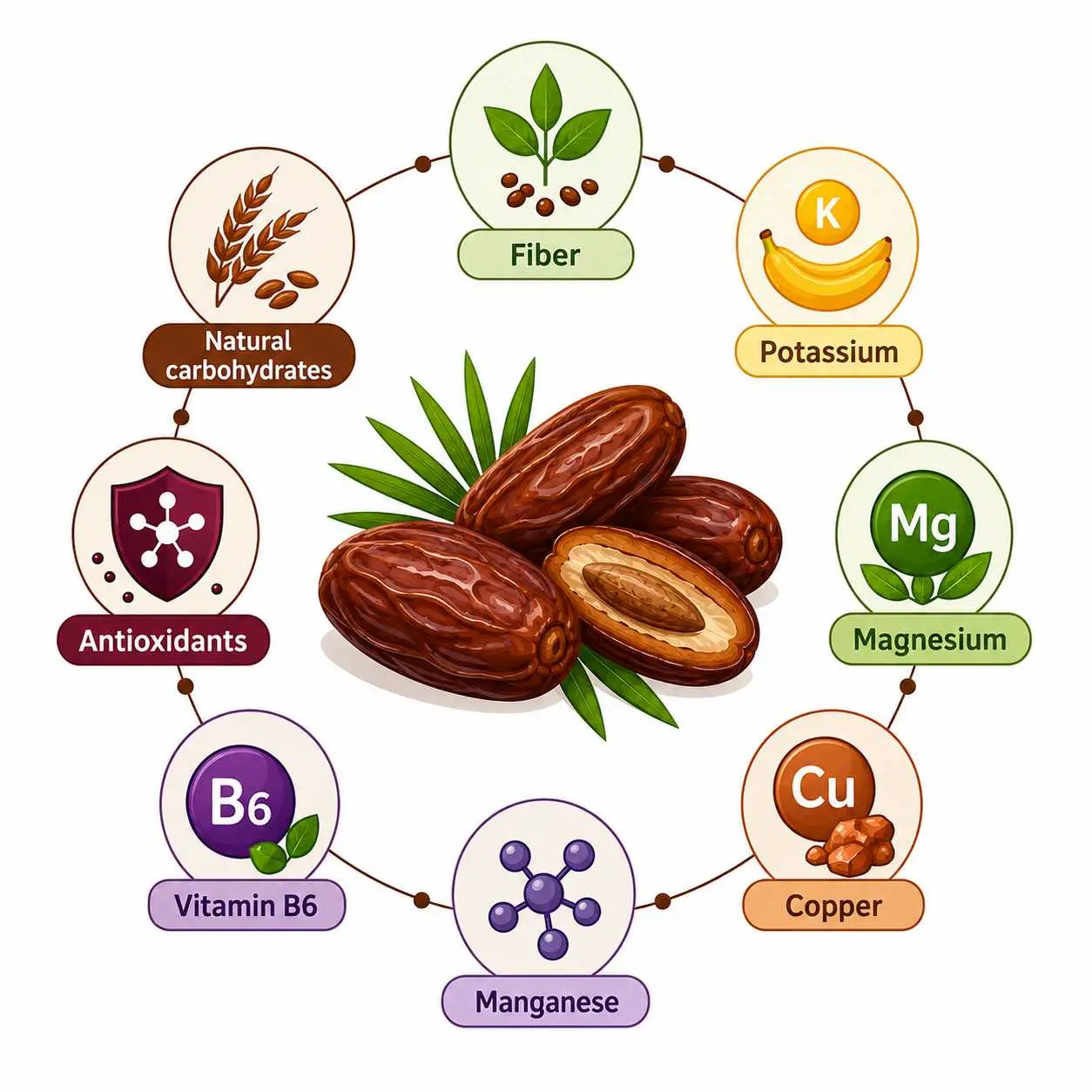
Dates contain several nutrients that contribute to their nutritional value. In addition to natural carbohydrates, they provide fiber, antioxidants, vitamins, and minerals.
Dates contain:
Dates are also known for their antioxidant content, including flavonoids, carotenoids, and phenolic compounds, which may help support overall health.
May Support Digestive Health
One of the most recognized benefits of dates is their fiber content. Dietary fiber may help support:- Regular bowel movements
- Digestive function
- Gut health
- Overall digestive comfort
Because of their naturally occurring fiber, dates are often included in dietary approaches that support digestive wellness. Adequate hydration and balanced fiber intake remain important for digestive health.
May Provide Antioxidant Protection
Dates contain several antioxidant compounds that may help protect cells from oxidative stress.
Antioxidants found in dates include:
- Flavonoids
- Carotenoids
- Phenolic acids
Oxidative stress has been associated with aging and various chronic health conditions. Researchers continue to study the potential role of antioxidant-rich foods in supporting long-term wellness and cellular health.
May Support Heart Health
Dates contain potassium, fiber, and antioxidant compounds that may contribute to cardiovascular wellness.
Potassium plays an important role in maintaining normal muscle and nerve function and may help support healthy blood pressure levels as part of a balanced diet.
Additionally, fiber-rich foods are often included in heart-conscious eating patterns because they may support healthy cholesterol balance.
Dates and Blood Sugar Considerations
Dates contain natural sugars and carbohydrates. While they also provide fiber, which may help slow digestion, individuals with diabetes or those monitoring their blood sugar levels should consider portion sizes and consult a healthcare professional if they have specific dietary concerns. When consumed in moderation as part of a balanced diet, dates can be included in many healthy eating patterns.
May Help Support Energy Levels
Dates are naturally rich in carbohydrates, making them a convenient source of energy.
Because they contain natural sugars along with fiber, dates are commonly consumed:
- Before physical activity
- As a quick snack
- As part of balanced meals
- In sports nutrition routines
Their natural sweetness also makes them a popular alternative to refined sugar in some recipes.
Clinical Insight: Research on Dates and Overall Wellness
Research suggests that dates contain bioactive compounds, antioxidants, fiber, and minerals that may support digestive, cardiovascular, and metabolic health. Some studies have explored the potential effects of dates on inflammation, oxidative stress, and gut health.
However, experts emphasize that dates should be consumed as part of an overall healthy dietary pattern rather than viewed as a standalone solution for disease prevention or treatment.
May Support Healthy Aging
The antioxidants and plant compounds found in dates have attracted attention in healthy aging and longevity research.
Researchers continue to investigate how antioxidant-rich foods may help support cellular health and reduce oxidative stress. While no single food can prevent aging, including nutrient-dense fruits such as dates in a balanced dietary pattern may contribute to overall wellness.
May Help Support Bone Health
Dates provide minerals that are involved in maintaining normal bone structure and function.
These include:
- Magnesium
- Manganese
- Copper
Bone health depends on many factors, including nutrition, physical activity, and overall health status. Dates may contribute to mineral intake as part of a varied and balanced diet.
Medjool Dates vs. Regular Dates
There are many varieties of dates available, with Medjool dates among the most popular.
Medjool Dates
- Larger size
- Softer texture
- Naturally sweet flavor
- Commonly eaten as a snack
Regular Dates
- Smaller size
- Firmer texture
- Often used in cooking and baking
- Similar nutritional benefits
Both varieties can be included in a balanced diet and provide valuable nutrients.
Are There Any Side Effects of Dates?
Dates are generally considered safe for most people when consumed in moderation.
Possible considerations include:
- High natural sugar content
- Excess calorie intake if overeaten
- Digestive discomfort in some individuals when consumed in large amounts
People with specific dietary requirements or medical conditions should consult a healthcare professional regarding dietary choices.
How Can You Add Dates to Your Diet?
Dates are versatile and can be incorporated into many meals and snacks.
Popular ways to enjoy dates include:
- Eating them as a snack
- Adding them to smoothies
- Mixing them into oatmeal
- Using them in energy balls
- Adding them to baked goods
- Pairing them with nuts or yogurt
Because of their natural sweetness, dates are often used as an alternative to refined sweeteners in recipes.
Which department should I visit?
Individuals seeking nutritional guidance related to healthy eating, digestive wellness, heart health, or balanced dietary planning may consult the Nutrition and Dietetics or Internal Diseases department.
