


 Let Us Call You


Antioxidants are naturally occurring compounds found in many fruits, vegetables, nuts, seeds, herbs, and other plant-based foods. They help protect the body's cells from oxidative stress caused by unstable molecules known as free radicals.
Free radicals are produced naturally during normal metabolic processes and may also be influenced by factors such as pollution, smoking, ultraviolet radiation, and environmental toxins. Over time, oxidative stress may contribute to cellular damage and aging. Including antioxidant-rich foods as part of a balanced diet may help support overall health and wellness.
Key Takeaways
- Antioxidants help protect cells from oxidative stress.
- Many fruits, vegetables, nuts, herbs, and legumes are rich in antioxidants.
- Berries, leafy greens, nuts, beans, and colorful vegetables are among the best dietary sources.
- Antioxidant-rich foods are commonly included in dietary patterns that support overall wellness and healthy aging.
- A varied and balanced diet is generally preferred over relying on individual antioxidant supplements.
What Are Antioxidants?
Antioxidants are compounds that help neutralize free radicals in the body. Free radicals are unstable molecules that can damage cells when they accumulate in excess.
Common dietary antioxidants include:
- Vitamin C
- Vitamin E
- Beta-carotene
- Selenium
- Flavonoids
- Polyphenols
- Lycopene
- Lutein
These compounds are naturally found in a wide variety of foods, particularly colorful fruits and vegetables.
Clinical Insight: Antioxidants and Overall Wellness
Antioxidants are an important component of many healthy dietary patterns, including the Mediterranean diet. Health organizations generally recommend obtaining antioxidants from whole foods rather than relying solely on supplements.
Whole foods provide a combination of vitamins, minerals, fiber, and beneficial plant compounds that work together to support overall health and wellness.
Why Are Antioxidants Important?
Antioxidants help support the body’s natural defense systems and may help reduce oxidative stress.Including antioxidant-rich foods in a balanced dietary pattern may help support:
- Cellular health
- Immune function
- Cardiovascular wellness
- Eye health
- Brain health
- Healthy aging
Rather than focusing on a single antioxidant, healthcare professionals generally recommend consuming a variety of antioxidant-rich foods.
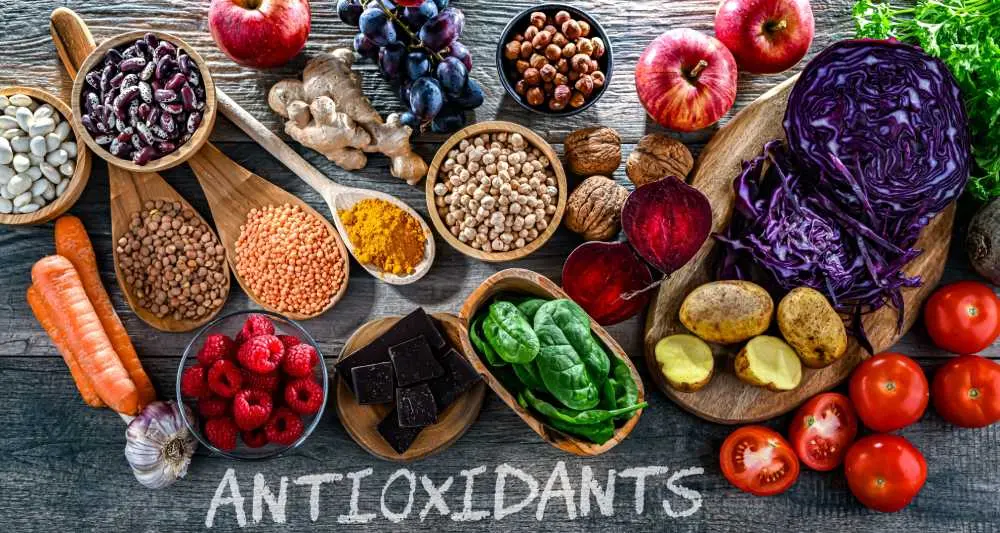
What Foods Are Rich in Antioxidants?
Many whole foods naturally contain antioxidants. Antioxidant-rich foods are commonly included in dietary patterns that support overall wellness and healthy aging.
Berries
Berries are among the most recognized antioxidant-rich foods.
Examples include:
- Blueberries
- Strawberries
- Blackberries
- Raspberries
Berries are rich in polyphenols, anthocyanins, vitamin C, and other beneficial plant compounds.
Dark Leafy Green Vegetables
Leafy greens provide vitamins, minerals, and antioxidants that contribute to overall health.
Examples include:
- Spinach
- Kale
- Swiss chard
- Arugula
These vegetables also contain lutein and beta-carotene.
Nuts and Seeds
Many nuts and seeds contain vitamin E and other antioxidant compounds.
Examples include:
- Almonds
- Walnuts
- Pecans
- Sunflower seeds
- Flax seeds
They may also provide healthy fats and plant-based protein.
Beans and Legumes
Beans are rich in fiber and contain a variety of antioxidant compounds.
Examples include:
- Black beans
- Kidney beans
- Pinto beans
- Lentils
Legumes are commonly included in balanced dietary patterns focused on long-term wellness.
Colorful Vegetables
Brightly colored vegetables often contain carotenoids and other antioxidants.
Examples include:
- Carrots
- Sweet potatoes
- Tomatoes
- Red bell peppers
- Pumpkin
These vegetables contribute important vitamins and phytonutrients to the diet.
Fruits
Many fruits provide antioxidants along with fiber, vitamins, and minerals.
Examples include:
- Grapes
- Oranges
- Cherries
- Pomegranates
- Plums
Consuming a variety of fruits may help increase overall antioxidant intake.
Herbs and Spices
Certain herbs and spices contain concentrated amounts of antioxidant compounds.
Examples include:
- Turmeric
- Cinnamon
- Oregano
- Ginger
- Cloves
They can easily be incorporated into meals to enhance both flavor and nutritional value.
Antioxidants and Healthy Aging
Oxidative stress is often discussed in relation to aging and cellular health. Because antioxidants help neutralize free radicals, antioxidant-rich foods are frequently included in healthy aging and longevity-focused dietary patterns.
While no food can prevent aging, a balanced diet rich in fruits, vegetables, legumes, nuts, and whole grains may help support overall wellness throughout life.
Are Antioxidant Supplements Necessary?
Most people can obtain antioxidants through a balanced diet that includes a variety of fruits, vegetables, nuts, legumes, and whole grains.
In some cases, healthcare professionals may recommend supplements based on individual nutritional needs. However, dietary sources are generally considered the preferred way to obtain antioxidants.
How Can You Increase Antioxidants in Your Diet?
Simple ways to increase antioxidant intake include:
- Eating a variety of colorful fruits and vegetables
- Including berries regularly
- Adding nuts and seeds to meals
- Consuming legumes several times per week
- Using herbs and spices in cooking
- Choosing whole foods over highly processed foods
- Small dietary changes may help increase overall nutrient and antioxidant intake.
Which department should I visit?
Individuals seeking nutritional guidance related to healthy aging, wellness, antioxidant-rich diets, or balanced nutrition may consult the Nutrition and Dietetics or Internal Diseases department.
