


 Let Us Call You


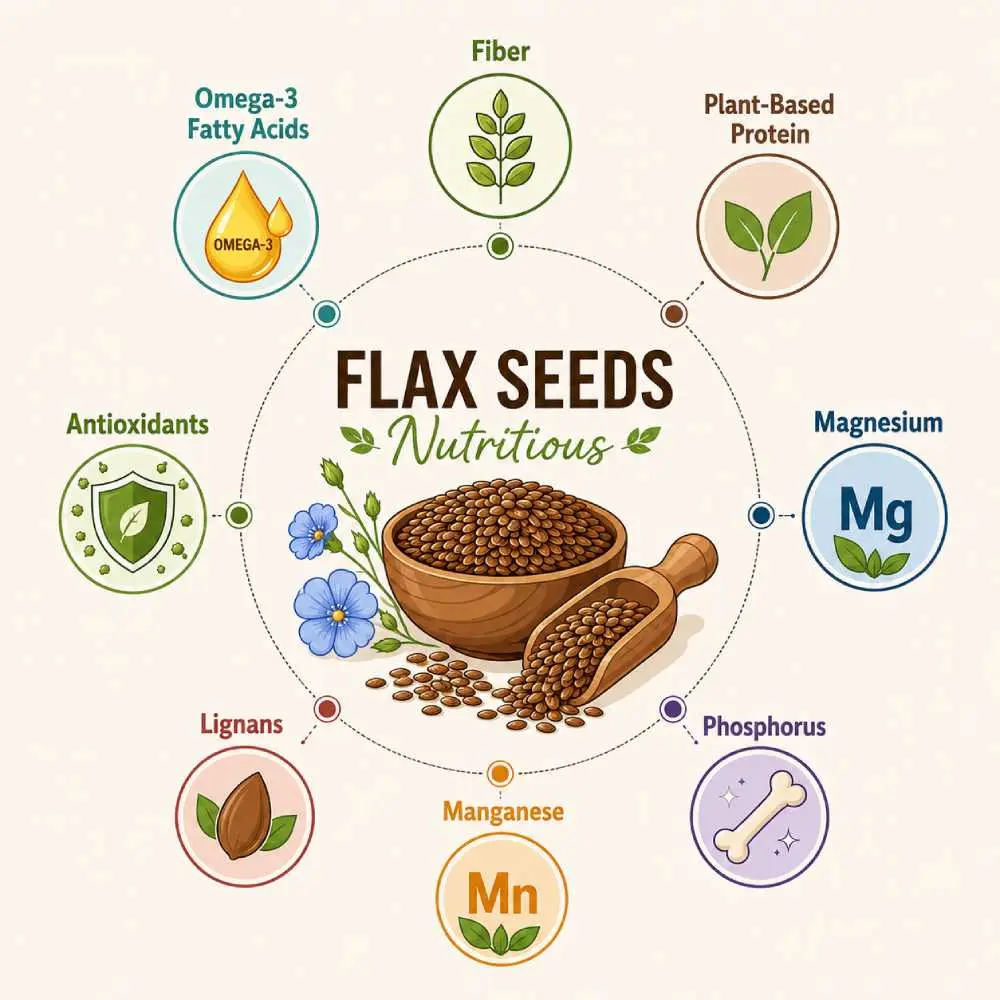
Flax seeds are small seeds that have been consumed for centuries as part of balanced diets. Despite their size, flax seeds provide a variety of nutrients, including fiber, omega-3 fatty acids, plant-based protein, and antioxidant compounds. Because of their nutritional profile, flax seeds are often included in wellness-focused eating patterns.
Research continues to explore the potential role of flax seeds in supporting cardiovascular health, digestive function, blood sugar regulation, and overall well-being. Flax seeds can be consumed in several forms, including whole seeds, ground flaxseed, and flaxseed oil.
Key Takeaways
- Flax seeds are rich in fiber, omega-3 fatty acids, antioxidants, and plant-based protein.
- Research suggests flax seeds may support heart health, digestive wellness, and metabolic health.
- Flax seeds contain lignans, plant compounds with antioxidant properties.
- Ground flax seeds may be easier for the body to digest and absorb than whole seeds.
- Flax seeds can be added to smoothies, yogurt, oatmeal, and baked foods.
What Makes Flax Seeds Nutritious?
Flax seeds contain a combination of healthy fats, dietary fiber, vitamins, minerals, and plant compounds that contribute to their nutritional value.
Flax seeds contain:
- Fiber
- Omega-3 fatty acids
- Plant-based protein
- Magnesium
- Phosphorus
- Manganese
- Lignans
- Antioxidants
Lignans are naturally occurring plant compounds found in particularly high amounts in flax seeds. Researchers continue to study their potential role in overall health and cellular protection.
Clinical Insight: Research on Flax Seeds and Cardiometabolic Health
Research suggests that flax seeds may offer benefits related to cardiovascular and metabolic health due to their fiber, omega-3 fatty acids, and lignan content. Some studies have explored their potential role in supporting healthy cholesterol levels, blood pressure regulation, and digestive function.
However, experts emphasize that flax seeds should be viewed as part of an overall balanced dietary pattern rather than a standalone approach to disease prevention or treatment.
May Support Heart Health
One of the most widely studied benefits of flax seeds is their potential impact on cardiovascular health.
Flax seeds contain alpha-linolenic acid (ALA), a plant-based omega-3 fatty acid that may help support heart health as part of a balanced diet. Their fiber content may also contribute to healthy cholesterol balance.
Some studies suggest that diets rich in fiber and omega-3 fatty acids may help support cardiovascular wellness and healthy blood pressure levels.
May Support Digestive Health
Flax seeds are an excellent source of dietary fiber, containing both soluble and insoluble fiber.
Fiber may help support:
- Regular bowel movements
- Digestive health
- Gut function
- Healthy cholesterol levels
Because of their high fiber content, flax seeds are commonly included in dietary approaches designed to support digestive wellness.
Increasing fiber intake gradually and drinking enough water may help reduce digestive discomfort.
May Help Support Blood Sugar Balance
The soluble fiber found in flax seeds may help slow digestion and carbohydrate absorption.
Researchers continue to study the relationship between fiber-rich foods and metabolic health. Including fiber-containing foods such as flax seeds in balanced meals may help support healthy blood sugar management as part of an overall healthy lifestyle.
May Help Support Healthy Weight Management
Foods rich in fiber may contribute to feelings of fullness after meals.
Because flax seeds contain both fiber and protein, they are often included in balanced eating plans focused on appetite management and nutritional support.
However, no single food can promote weight management on its own, and overall dietary habits remain important.
May Provide Antioxidant Benefits
Flax seeds contain lignans and other plant compounds with antioxidant properties.
Antioxidants help protect cells from oxidative stress caused by unstable molecules known as free radicals. Researchers continue to investigate how antioxidant-rich foods may contribute to long-term wellness and healthy aging.
Flax seeds are considered one of the richest dietary sources of lignans.
Ground Flax Seeds vs. Whole Flax Seeds
Flax seeds can be consumed whole or ground, but there are important differences between the two forms.
Ground Flax Seeds
- Easier to digest
- Improved nutrient absorption
- Convenient for smoothies and yogurt
- Commonly recommended for daily use
Whole Flax Seeds
- Longer shelf life
- Crunchy texture
- May pass through the digestive system without being fully broken down
- Many nutrition professionals recommend ground flax seeds to maximize nutrient availability.
Are There Any Side Effects of Flax Seeds?
Flax seeds are generally considered safe for most people when consumed in moderation.
Possible considerations include:
- Bloating
- Gas
- Digestive discomfort if consumed excessively
- The need for adequate fluid intake due to high fiber content
Individuals with specific medical conditions or dietary restrictions should consult a healthcare professional regarding significant dietary changes.
How Can You Add Flax Seeds to Your Diet?
Flax seeds are versatile and can easily be incorporated into everyday meals.
Popular ways to consume flax seeds include:
- Adding ground flax seeds to smoothies
- Mixing them into yogurt
- Sprinkling over oatmeal
- Adding to baked goods
- Mixing into cereals
- Blending into homemade energy bites
Ground flax seeds are often preferred because they may allow for better nutrient absorption.
Which department should I visit?
Individuals seeking nutritional guidance related to heart health, digestive wellness, or balanced dietary planning may consult the Nutrition and Dietetics or Internal Diseases department.
