


 Let Us Call You


Probiotics are live microorganisms that are naturally found in certain fermented foods. These beneficial bacteria are commonly associated with digestive wellness and a healthy gut microbiome.
The gut microbiome consists of trillions of microorganisms that play a role in digestion and overall health. Including probiotic-rich foods as part of a balanced dietary pattern may help support microbial diversity and digestive function.
While probiotic foods can be a valuable addition to a healthy lifestyle, they should be viewed as one component of an overall balanced diet.
Key Takeaways
- Probiotics are beneficial microorganisms found in certain fermented foods.
- Yogurt, kefir, kimchi, and sauerkraut are among the most common probiotic foods.
- Probiotic foods are frequently included in dietary patterns that support digestive wellness.
- Different probiotic foods may contain different strains of beneficial bacteria.
- A balanced diet that includes fiber-rich foods may help support gut health.
What Are Probiotics?
Probiotics are live microorganisms that may contribute to the balance of bacteria in the digestive tract. They are naturally present in certain fermented foods and are also available in supplement form. Probiotic foods are commonly included in wellness-focused diets because they may help support digestive health and overall well-being.
Why Are Probiotic Foods Important?
The digestive system contains a complex community of microorganisms known as the gut microbiome.
A balanced gut microbiome contributes to:
- Digestive function
- Nutrient metabolism
- Immune function
- Overall gut health
Including a variety of probiotic and fiber-rich foods may help support a healthy digestive environment.
Probiotic Foods List
Yogurt
Yogurt is one of the most widely recognized probiotic foods.When made with live and active cultures, yogurt may contain beneficial bacteria such as:
- Lactobacillus
- Bifidobacterium
Choosing plain yogurt without excessive added sugar may help support a balanced dietary pattern.
Kefir
Kefir is a fermented milk beverage that contains a variety of probiotic cultures. It is often described as one of the richest dietary sources of probiotics and can be consumed on its own or added to smoothies.
Sauerkraut
Sauerkraut is made from fermented cabbage. Traditionally prepared sauerkraut may contain beneficial bacteria produced during the fermentation process. It also provides fiber and various nutrients.
Kimchi
Kimchi is a traditional Korean fermented vegetable dish. It is commonly prepared with cabbage, radishes, and seasonings and contains naturally occurring probiotic microorganisms created during fermentation.
Miso
Miso is a fermented soybean paste frequently used in Japanese cuisine. It is commonly added to soups, sauces, and marinades and may provide beneficial bacteria when consumed in minimally processed forms.
Tempeh
Tempeh is a fermented soybean product with a firm texture and mild flavor. In addition to beneficial microorganisms, tempeh provides plant-based protein and other nutrients.
Kombucha
Kombucha is a fermented tea beverage produced through a fermentation process involving bacteria and yeast. Different products may contain varying amounts of probiotics depending on preparation methods and processing.
Certain Types of Cheese
Some aged and fermented cheeses may contain live cultures.
Examples include:
- Gouda
- Cheddar
- Swiss cheese
- Cottage cheese containing live cultures
The probiotic content may vary depending on production methods.
Pickles (Naturally Fermented)
Naturally fermented pickles may contain beneficial bacteria. However, pickles preserved with vinegar rather than fermentation may not contain live probiotic cultures.
Fermented Vegetables
Various fermented vegetables may provide probiotics.
Examples include:
- Fermented carrots
- Fermented beets
- Fermented cucumbers
These foods can contribute diversity to the diet while supporting gut health.
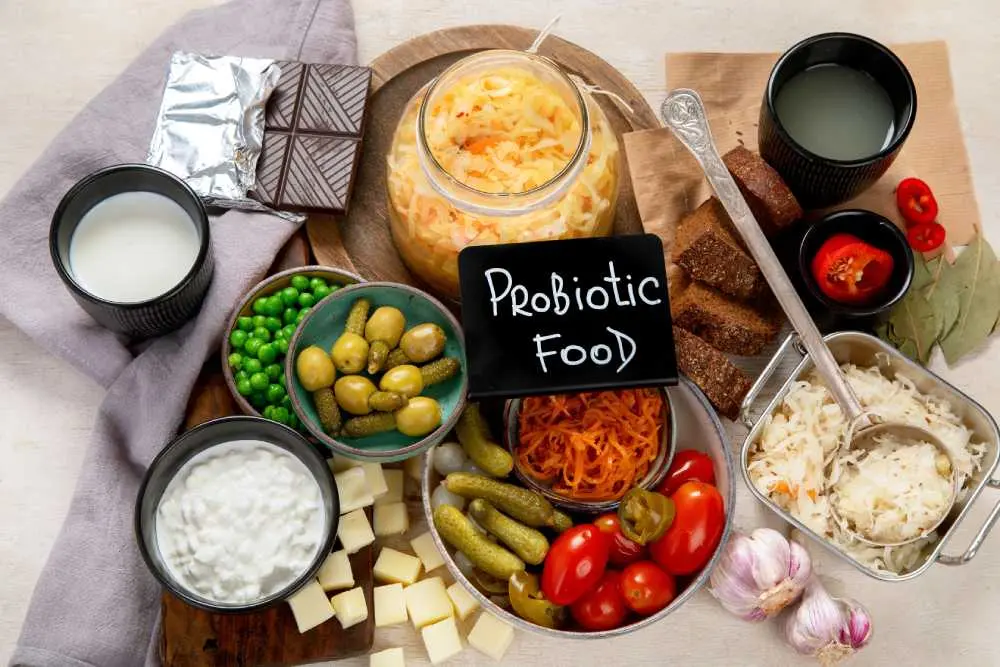
Probiotic Foods vs. Prebiotic Foods
Although the terms are often confused, probiotics and prebiotics are different.
Probiotics
- Live beneficial microorganisms
- Found in fermented foods
Prebiotics
Non-digestible fibers that feed beneficial bacteria
Found in foods such as:
* Bananas
- Garlic
- Onions
- Asparagus
- Oats
Both probiotics and prebiotics can be included in a balanced dietary pattern.
Clinical Insight: Supporting Gut Health Through Diet
Gut health is influenced by many factors, including dietary habits, physical activity, sleep quality, stress levels, and overall lifestyle. A balanced dietary pattern that includes probiotic-rich foods, fiber-rich foods, fruits, vegetables, and whole grains may help support digestive wellness and microbial diversity.
Rather than relying on a single food, healthcare professionals generally recommend a varied and balanced approach to nutrition.
Are Probiotic Supplements Necessary?
Some individuals choose probiotic supplements, while others obtain probiotics through food. For many people, fermented foods can be a practical way to include probiotics as part of a balanced diet. Healthcare professionals may recommend supplements in specific situations based on individual needs.
How Can You Add More Probiotic Foods to Your Diet?
Simple ways to include probiotic foods include:
- Adding yogurt to breakfast
- Drinking kefir as a snack
- Including kimchi with meals
- Adding sauerkraut to salads or sandwiches
- Incorporating miso into soups
- Trying fermented vegetables as side dishes
Introducing fermented foods gradually may help improve tolerance.
Which department should I visit?
Individuals seeking nutritional guidance related to digestive wellness, gut health, or balanced dietary planning may consult the Nutrition and Dietetics, Gastroenterology, or Internal Diseases department.
