


 Let Us Call You


Turmeric is a golden-yellow spice obtained from the root of the Curcuma longa plant. It has been used for centuries in cooking and traditional wellness practices, particularly in South Asian cuisine.
Today, turmeric is valued not only for its distinctive flavor and color but also for its naturally occurring plant compounds. One of its best-known components is curcumin, a polyphenol that has attracted scientific interest because of its antioxidant properties.
Although turmeric can be a nutritious addition to a balanced diet, it should be viewed as part of an overall healthy lifestyle rather than a substitute for medical treatment.
Key Takeaways
- Turmeric contains curcumin, a naturally occurring plant compound.
- Curcumin has antioxidant properties that contribute to turmeric’s nutritional value.
- Turmeric may contribute to overall wellness when consumed as part of a balanced diet.
- The spice can be incorporated into a variety of meals and beverages.
- A healthy lifestyle involves balanced nutrition, regular physical activity, and adequate sleep.
What Makes Turmeric Nutritious?
Turmeric contains several naturally occurring compounds that contribute to its nutritional profile
These include:
- Curcumin
- Polyphenols
- Antioxidants
- Manganese
- Iron
- Potassium
Curcumin is the primary bioactive compound found in turmeric and contributes to many of the spice’s antioxidant properties.
Clinical Insight: Turmeric and Everyday Nutrition
Turmeric is widely used around the world as both a culinary spice and a component of balanced dietary patterns. While curcumin has been the focus of scientific research because of its antioxidant properties, healthcare professionals generally recommend obtaining nutrients through a varied diet rather than relying on a single food or supplement.
What Are the Benefits of Turmeric?
Turmeric is valued for more than its culinary uses. Its antioxidant compounds and plant-based nutrients have made it a popular ingredient in wellness-focused dietary patterns.
When consumed as part of a balanced diet, turmeric may contribute to overall wellness and healthy aging.
May Provide Antioxidant Protection
Turmeric contains antioxidant compounds that may help protect cells from oxidative stress.
Oxidative stress occurs naturally in the body and is often discussed in relation to aging and overall health. Including antioxidant-rich foods in the diet may help support cellular wellness.
May Support Overall Wellness
Turmeric is commonly incorporated into balanced dietary patterns because of its nutritional profile.
Combined with a varied diet that includes fruits, vegetables, whole grains, legumes, and healthy fats, turmeric can contribute to overall wellness.
May Support Healthy Aging
Antioxidant-rich foods are frequently included in dietary patterns that emphasize healthy aging.
Because turmeric contains naturally occurring antioxidant compounds, it is often included in wellness routines focused on long-term health.
May Support a Balanced Inflammatory Response
Curcumin has been widely studied for its potential role in supporting the body’s natural inflammatory response.
Maintaining a healthy lifestyle that includes balanced nutrition, regular physical activity, stress management, and adequate sleep remains important for overall health and well-being.
May Contribute to Brain and Heart Wellness
Because of its antioxidant content, turmeric is often included in dietary patterns that emphasize cardiovascular and cognitive wellness.
Overall brain and heart health depend on multiple lifestyle factors, including nutrition, exercise, sleep, and regular medical care.
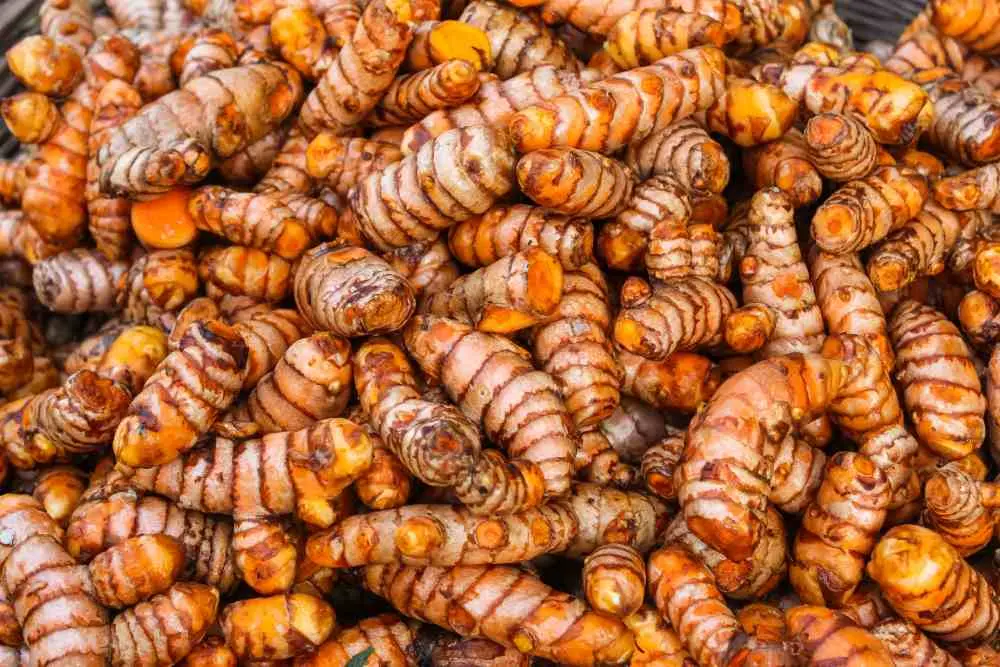
Turmeric vs. Curcumin
Although the terms are often used interchangeably, turmeric and curcumin are not the same.
Turmeric
- A spice made from the root of the *Curcuma longa* plant
- Contains curcumin along with many other natural compounds
- Commonly used in cooking
Curcumin
- One of the primary active compounds found in turmeric
- Available in some dietary supplements
- Represents only a small percentage of turmeric by weight
Are There Any Side Effects of Turmeric?
Turmeric is generally considered safe for most people when consumed in amounts commonly used in cooking.
Possible considerations include:
- Digestive discomfort in some individuals
- Stomach upset when consumed in large amounts
- Potential interactions with certain medications
- Additional caution may be appropriate when using concentrated turmeric or curcumin supplements
Individuals considering dietary supplements should consult a healthcare professional, particularly if they have underlying medical conditions or take prescription medications.
How Can You Add Turmeric to Your Diet?
Turmeric is a versatile spice that can be incorporated into everyday meals.
Popular ways to use turmeric include:
- Adding it to soups and stews
- Seasoning roasted vegetables
- Mixing it into rice dishes
- Preparing turmeric tea
- Adding small amounts to smoothies
- Using it in curries and sauces
Combining turmeric with black pepper is a common culinary practice because black pepper contains piperine, which may improve the absorption of curcumin.
Which department should I visit?
Individuals seeking nutritional guidance related to healthy eating, healthy aging, or balanced dietary planning may consult the Nutrition and Dietetics or Internal Diseases department.
