


 Let Us Call You


Cholesterol is a waxy, fat-like substance that the body needs to build cells, produce hormones, and support other essential functions. However, elevated levels of low-density lipoprotein (LDL), often referred to as "bad" cholesterol, may increase the risk of cardiovascular disease over time. A heart-healthy eating pattern, combined with regular physical activity and other healthy lifestyle habits, can play an important role in cholesterol management.
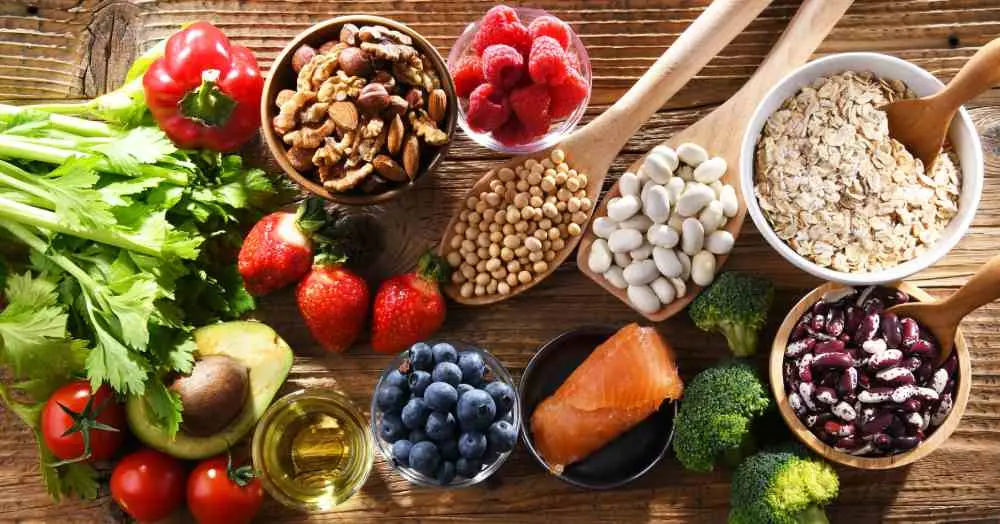
Although no single food can lower cholesterol on its own, incorporating nutrient-rich foods that contain soluble fiber, healthy fats, and plant compounds into your daily diet may help support healthy cholesterol levels. The greatest benefits come from maintaining an overall balanced dietary pattern rather than focusing on individual foods.
Key Takeaways
- A balanced diet can help support healthy cholesterol levels.
- Soluble fiber helps reduce cholesterol absorption.
- Replacing saturated fats with unsaturated fats supports heart health.
- Oats, legumes, nuts, fruits, vegetables, and soy foods are valuable additions to a heart-conscious diet.
- Long-term dietary habits have a greater impact than individual foods.
Why Does Diet Matter for Cholesterol?
Diet plays an important role in cholesterol management because the foods you eat can influence how cholesterol is absorbed, transported, and utilized by the body. Foods rich in soluble fiber, healthy fats, and plant-based nutrients may help improve cholesterol levels, while limiting foods high in saturated fat supports overall cardiovascular health.
Rather than eliminating individual foods, healthcare professionals generally recommend adopting an eating pattern centered on vegetables, fruits, whole grains, legumes, nuts, seeds, and healthy sources of fat. This approach supports both heart health and overall well-being.
Best Foods That Help Lower Cholesterol
Oats and Barley
Oats and barley are among the best-known foods for supporting healthy cholesterol levels because they are naturally rich in beta-glucan, a type of soluble fiber.
Soluble fiber binds to cholesterol in the digestive tract, helping reduce its absorption. Choosing minimally processed oats without added sugar is an easy way to include more soluble fiber in your daily diet.
Fruits and Vegetables
Eating a wide variety of colorful fruits and vegetables provides fiber, vitamins, minerals, and antioxidants that contribute to overall cardiovascular health.
Many fruits and vegetables also contain soluble fiber, which may help lower LDL cholesterol while supporting digestive health. Choosing whole fruits instead of fruit juices can further increase fiber intake.
Legumes and Beans
Legumes such as lentils, chickpeas, kidney beans, and black beans provide both soluble fiber and plant-based protein.
Replacing some animal-based proteins with legumes may support heart-healthy eating patterns while increasing daily fiber intake. Legumes are also naturally low in saturated fat, making them an excellent choice for balanced meals.
Nuts and Seeds
Nuts and seeds provide unsaturated fats, fiber, and plant-based nutrients that contribute to heart health.
Options such as almonds, walnuts, pistachios, flaxseeds, and chia seeds can be included in moderate portions as snacks or meal additions. Choosing unsalted varieties is generally recommended.
Foods Rich in Healthy Fats
Replacing foods high in saturated fat with foods that contain unsaturated fats is an important dietary strategy for supporting healthy cholesterol levels.
Examples include:
- Olive oil
- Avocados
- Salmon
- Sardines
- Mackerel
- Seeds
- Nuts
These foods are commonly included in Mediterranean-style eating patterns associated with heart health.
Soy Foods
Soy foods such as tofu, edamame, and unsweetened soy milk may contribute to a heart-healthy dietary pattern.
Including minimally processed soy products as alternatives to some animal proteins may help improve the overall nutritional quality of the diet.
Foods With Plant Sterols
Plant sterols are naturally found in small amounts in fruits, vegetables, nuts, seeds, and whole grains. Some fortified foods also contain added plant sterols.
When consumed regularly as part of a balanced diet, plant sterols may help reduce cholesterol absorption in the digestive tract.
Foods to Limit for Better Cholesterol Management
In addition to including foods that support healthy cholesterol levels, limiting certain foods may also contribute to better cardiovascular health. Rather than eliminating entire food groups, healthcare professionals generally recommend reducing foods that are high in saturated fats, trans fats, and added sugars while choosing more nutrient-dense alternatives
Foods that are often recommended in moderation include:
- Processed meats
- Fatty cuts of red meat
- Butter and high-fat dairy products
- Fried foods
- Commercially baked pastries
- Fast food
- Foods containing trans fats
- Sugar-sweetened beverages
Replacing these foods with whole grains, vegetables, legumes, fish, nuts, and healthy plant oils can help improve the overall quality of your diet and support long-term heart health.
Lifestyle Habits That Support Healthy Cholesterol
Diet is only one part of maintaining healthy cholesterol levels. A combination of healthy lifestyle habits can have a greater impact on cardiovascular health than dietary changes alone.
Healthy lifestyle strategies include:
- Eating a balanced diet rich in fruits, vegetables, whole grains, and legumes
- Engaging in regular physical activity
- Maintaining a healthy body weight
- Avoiding tobacco use
- Limiting alcohol consumption
- Managing stress
- Getting adequate sleep
These habits work together to support overall cardiovascular health and may help maintain cholesterol levels within a healthy range.
Can Diet Alone Help Lower Cholesterol?
Dietary changes can play an important role in improving cholesterol levels, particularly when combined with other healthy lifestyle habits. Increasing soluble fiber intake, choosing unsaturated fats instead of saturated fats, and eating a variety of nutrient-rich foods may contribute to better cholesterol management over time.
However, not everyone responds to dietary changes in the same way. Factors such as age, genetics, physical activity, existing medical conditions, and overall lifestyle also influence cholesterol levels. Some individuals may require additional medical evaluation or treatment alongside lifestyle modifications. Healthcare providers can recommend the most appropriate management plan based on an individual's cardiovascular risk profile.
Clinical Insight: Focus on Your Overall Eating Pattern
No single food can lower cholesterol on its own. Instead, long-term dietary habits have the greatest influence on cardiovascular health.
Healthcare professionals recommend focusing on an overall heart-healthy eating pattern that emphasizes vegetables, fruits, whole grains, legumes, nuts, seeds, and healthy sources of unsaturated fats while limiting foods high in saturated and trans fats. Consistency over time is more important than relying on individual "superfoods" or short-term dietary trends.
Which department should I visit?
If you have concerns about your cholesterol levels or would like guidance on improving your diet, you may consider consulting the following departments:
A healthcare professional can evaluate your cholesterol levels, assess your cardiovascular risk, and recommend individualized lifestyle strategies or additional treatment when appropriate.