


Brain Pacemaker Surgery in Turkey: Deep Brain Stimulation (DBS)


 Let Us Call You

Deep Brain Stimulation (DBS), sometimes referred to as a brain pacemaker, is a neurosurgical procedure in which implanted electrodes deliver controlled electrical impulses to specific areas of the brain, helping modulate abnormal nerve signals associated with certain neurological conditions.
The procedure involves placing thin electrodes into specific areas of the brain connected to movement control. These electrodes are connected to a small device implanted under the skin, usually near the chest, which sends electrical impulses to targeted brain regions.
DBS does not cure neurological diseases or stop disease progression. However, in appropriately selected patients, it may help reduce certain symptoms and improve quality of life.
Key Takeaways
Deep Brain Stimulation is a surgical treatment that involves implanting electrodes into targeted areas of the brain. These electrodes deliver controlled electrical signals that may help regulate abnormal nerve activity associated with certain neurological conditions.
Because the implanted neurostimulation system delivers electrical impulses to targeted areas of the brain, DBS is sometimes described as a brain pacemaker. Although this term helps explain the concept to patients, Deep Brain Stimulation (DBS) is the official medical name of the procedure.
The DBS system generally includes
The neurostimulator functions similarly to a pacemaker by sending electrical impulses to specific brain circuits involved in movement control.
DBS is most commonly used for movement disorders. Healthcare professionals may consider DBS in carefully selected patients whose symptoms are significantly affecting daily life despite medical therapy.
Conditions that may be treated with DBS include:
Deep brain stimulation for Parkinson's disease is one of the most established applications of this therapy, particularly in patients whose symptoms are no longer adequately controlled with medication.
Researchers continue to study the role of DBS in additional neurological and neuropsychiatric conditions.
DBS works by delivering electrical stimulation to specific brain regions involved in abnormal movement signaling. Although the exact mechanisms are still being studied, experts believe the stimulation may help regulate disrupted neural activity.
Unlike destructive brain procedures, DBS is considered adjustable and reversible because stimulation settings can be modified over time according to the patient’s needs.
The stimulation settings are programmed externally by healthcare professionals after surgery and may require periodic adjustments for symptom management.
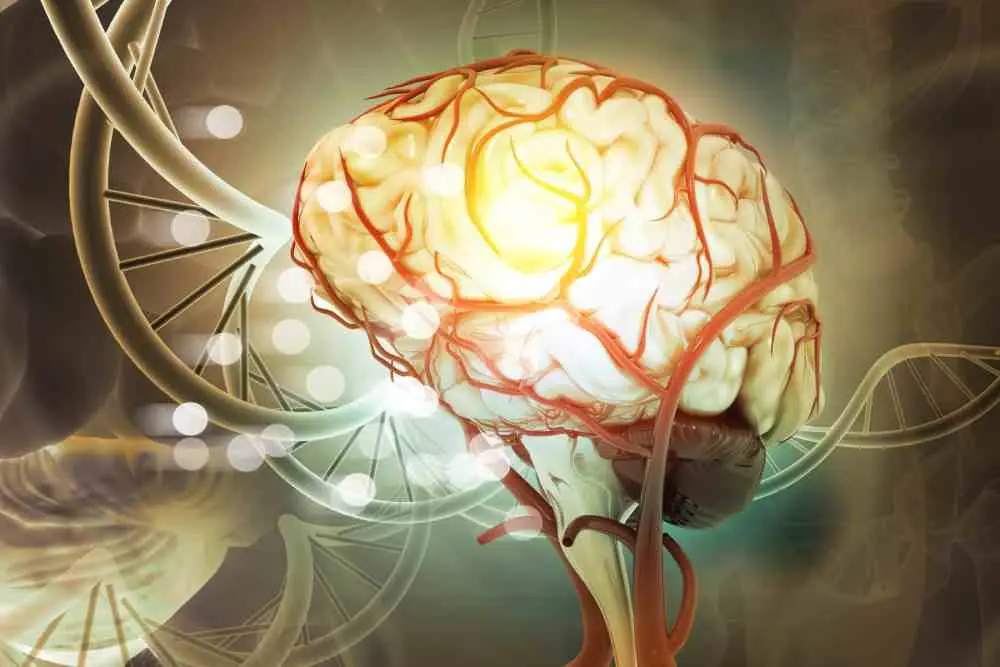
DBS may be considered for individuals who:
Not every patient with a neurological condition is a candidate for DBS. A comprehensive neurological and neurosurgical evaluation is required before treatment planning. Careful patient selection helps healthcare teams determine whether the potential benefits of DBS may outweigh the possible risks for each individual patient.
DBS treatment is usually performed in stages. The procedure involves careful surgical planning, advanced imaging techniques, and postoperative device programming to help optimize symptom management.
The procedure generally includes:
A neurosurgeon places thin electrodes into targeted brain regions using advanced imaging and surgical guidance techniques.
A small pulse generator device is implanted under the skin, commonly near the chest. The electrodes are connected to the device through extension wires placed beneath the skin.
After surgery, the stimulation settings are adjusted and customized according to the patient’s symptoms and response to therapy.
Programming sessions may continue for several weeks or months after implantation to optimize symptom management.
Turkey has become one of the internationally recognized destinations for deep brain stimulation surgery, offering experienced neurology and neurosurgery teams, advanced imaging technologies, multidisciplinary treatment planning, and comprehensive postoperative follow-up.
Individuals considering Deep Brain Stimulation (DBS) surgery in Turkey are typically evaluated by neurology and neurosurgery teams to determine whether the procedure may be appropriate for their condition and symptom profile.
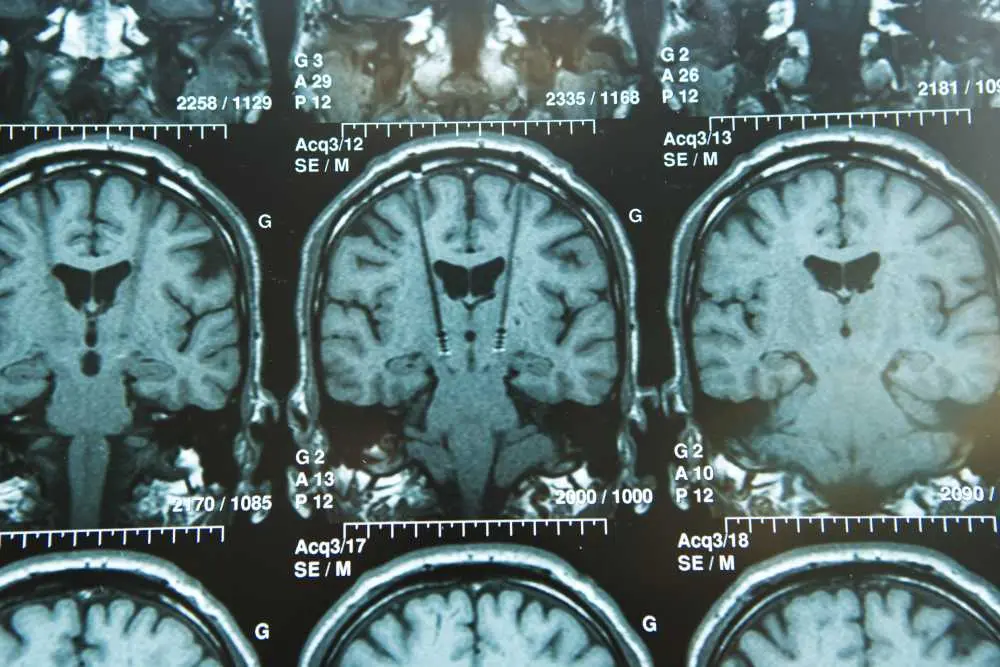
For appropriately selected patients, DBS may help improve certain movement-related symptoms and daily functioning. The potential effects of treatment vary depending on the neurological condition, symptom severity, and the individual patient’s response to stimulation.
Potential benefits may include:
The degree of improvement varies depending on the underlying condition, disease progression, patient selection, and individual response to therapy.
As with any surgical procedure, DBS carries potential risks and limitations. Healthcare professionals carefully evaluate each patient to determine whether DBS is an appropriate treatment option based on overall health status and neurological condition.
Possible risks may include:
DBS does not cure Parkinson’s disease or other neurological disorders, and symptoms may continue to progress over time. Some symptoms may respond better than others.
Clinical Insight: DBS and Neuromodulation Research
Deep Brain Stimulation has been used clinically since the 1990s and continues to evolve through advances in neuromodulation technology. Researchers are studying newer adaptive DBS systems that may adjust stimulation based on real-time brain activity signals.
Ongoing research also explores the role of DBS in additional neurological and neuropsychiatric conditions. However, experts emphasize that DBS is not appropriate for every patient and should only be considered following comprehensive multidisciplinary evaluation.
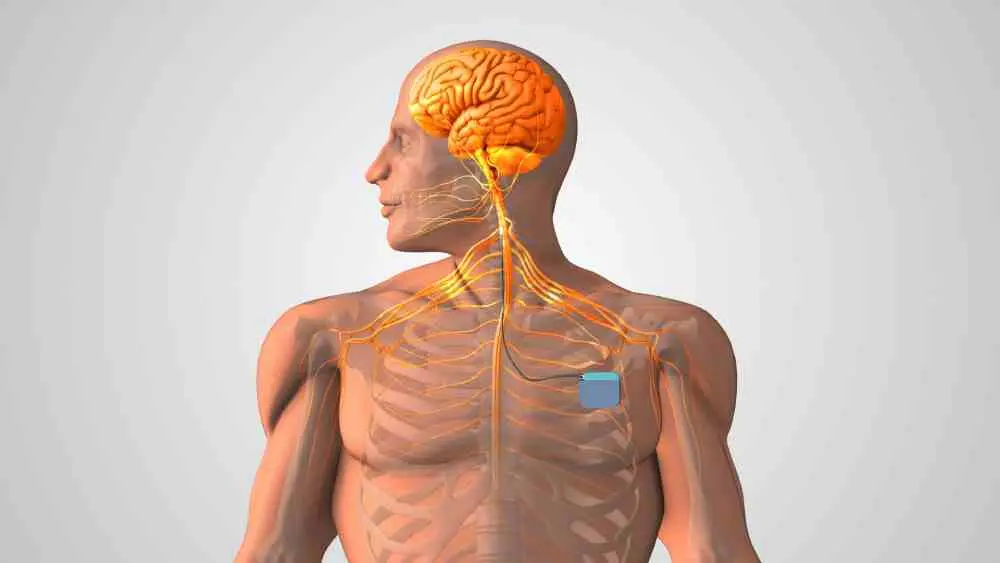
Recovery following DBS surgery varies depending on the individual and underlying condition.
Follow-up care may include:
Because stimulation settings often require fine-tuning, ongoing follow-up is considered an important part of DBS therapy.
Individuals experiencing movement disorder symptoms such as tremor, stiffness, involuntary movements, or Parkinson’s disease-related symptoms may consult the Neurosurgery or Neurology department for further evaluation.
Created at
02.06.2026 09:36
Updated at
07.09.2026 11:35
Editor
Semih PEKENGİN
Deep Brain Stimulation is a neurosurgical treatment that uses implanted electrodes and electrical stimulation to help manage symptoms of certain neurological disorders.
DBS is most commonly used for Parkinson’s disease, essential tremor, and dystonia. In selected cases, it may also be considered for epilepsy or obsessive-compulsive disorder.
No. DBS does not cure Parkinson’s disease or stop disease progression, but it may help manage certain symptoms in selected patients.
Unlike some other brain procedures, DBS is generally considered adjustable and reversible because stimulation settings can be modified and the system can be removed if necessary.
Battery life depends on the type of device and stimulation settings. Some systems may require battery replacement after several years.
Potential risks may include infection, bleeding, stroke, speech difficulties, balance problems, and device-related complications.
Candidates are typically individuals whose neurological symptoms are not adequately controlled with medication and who are considered suitable for surgery after detailed evaluation.
Brain pacemaker is a non-medical term that is sometimes used to describe the Deep Brain Stimulation (DBS) system because it delivers controlled electrical impulses to targeted areas of the brain. Deep Brain Stimulation (DBS) is the official medical term for the procedure.
Deep brain surgery for Parkinson's disease, also known as Deep Brain Stimulation (DBS), may be considered for selected patients whose symptoms are not adequately controlled with medication.
The cost of deep brain stimulation surgery varies depending on the patient's condition, treatment plan, hospital stay, and postoperative programming requirements.
