


 Let Us Call You


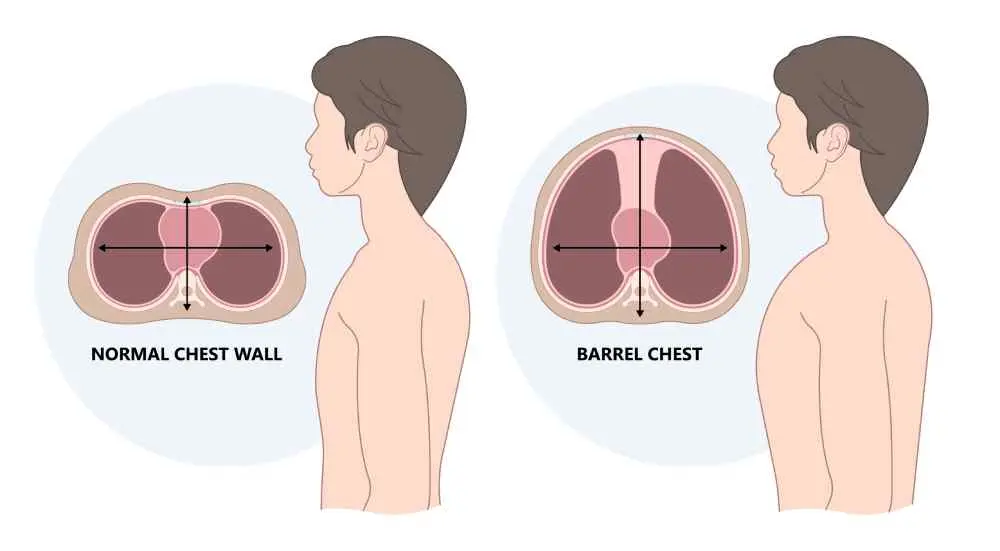
Chest wall deformities are structural anomalies of the rib cage which occurs as a result of some factors. The condition normally develops in the childhood or teenage years. It may lead to symptoms, like shortness of breath and chest pains. It may be caused by genetic factors, abnormal bone formation, and connective tissue disorder. Mild cases are treated with physical therapy and advanced cases are treated with surgical procedures.
What is Chest Wall Deformities?
Deformities of the chest wall are disorders of the rib cage which occur because of genetic components. They are also referred to as intra or external development of the breastbone or ribs. They can form in childhood or adolescence and have a pernicious impact on a person aesthetically. Moreover, they may cause breathing troubles.
Symptoms of Chest Wall Deformities
The structural abnormality that forms in the rib cage is the most noticeable symptom of chest wall deformities. Other symptoms may include:
- An appreciable inward or outward bulge of the breastbone.
- Shortness of breath
- Drowsiness and loss of stamina.
- Pain in the chest or pressur.
- Postural disorders
- Aesthetic and self-confidence problems.
What Are the Causes of Chest Wall Deformities?
The deformities of the chest wall tend to be formed as a result of genetics. Also, it could be caused by abnormalities in bone or connective tissue. Chest wall deformities may be caused by:
- Genetic predisposition
- Abnormal bone development
- Diseases of connective tissue
- The fast growth in the development stages
- Structural abnormality of trauma or congenital origin
How is the Diagnosis of Chest Wall Deformities?
Diagnosis of chest wall deformities is made upon examination of the patient. The doctor considers the chest wall deformity and after examining the complaints of the patient, he/she might order the imaging tests.
Diagnosis of the chest wall deformities is made through methods which include:
- Corporeal examination in order to examine the rib cage.
- X-ray to identify the presence of abnormalities in the bony structures in the chest wall.
- CT - to give precise measurements of bones and soft tissues.
- Magnetic resonance imaging (MRI) to assess the muscles, cartilage and ligaments around the rib cage.
- Tests of pulmonary functional to evaluate the capacity of the lung and the respiratory functioning.
Chest Wall Deformities Treatment
Chest wall deformity is a structural defect on the rib cage that can cause breathing issues, heart failure, and physical appearance. The types and severity of deformity, age, and health of the patient are among the factors that determine treatment options. Where mild cases can be treated by just any observation and physical therapies, severe cases tend to be treated with complex surgical methods. Surgical and non-surgical interventions are now offered to assist patients to enhance their function and live better lives.
Primary treatment choices are:
- Observation & Monitoring - To mild deformities which are not significant.
- Bracing Therapy - It is usually applied to pectus carinatum in children and teenagers.
- Physical Therapy & Exercises - To increase posture and chest flexibility.
- Minimally Invasive Surgery ( Nuss Procedure ) - Repairs pectus excavatum using small incisions.
- Open Surgery (Ravitch Procedure) - Reshapes the chest wall when it is more complicated.
- Custom Implants & Reconstruction- applies to Poland syndrome or severe asymmetry.
This article is for informational purposes only and does not replace professional medical advice.If you are experiencing symptoms, please contact us.
Which medical department treats chest wall deformities?
The thoracic surgery department will normally deal with the chest wall deformity, particularly of the type pectus excavatum or pectus carinatum. In children, these assessments can begin in the department of pediatric surgery, and in complicated or cosmetic cases, orthopedics or plastic surgery can also be involved


