


 Let Us Call You


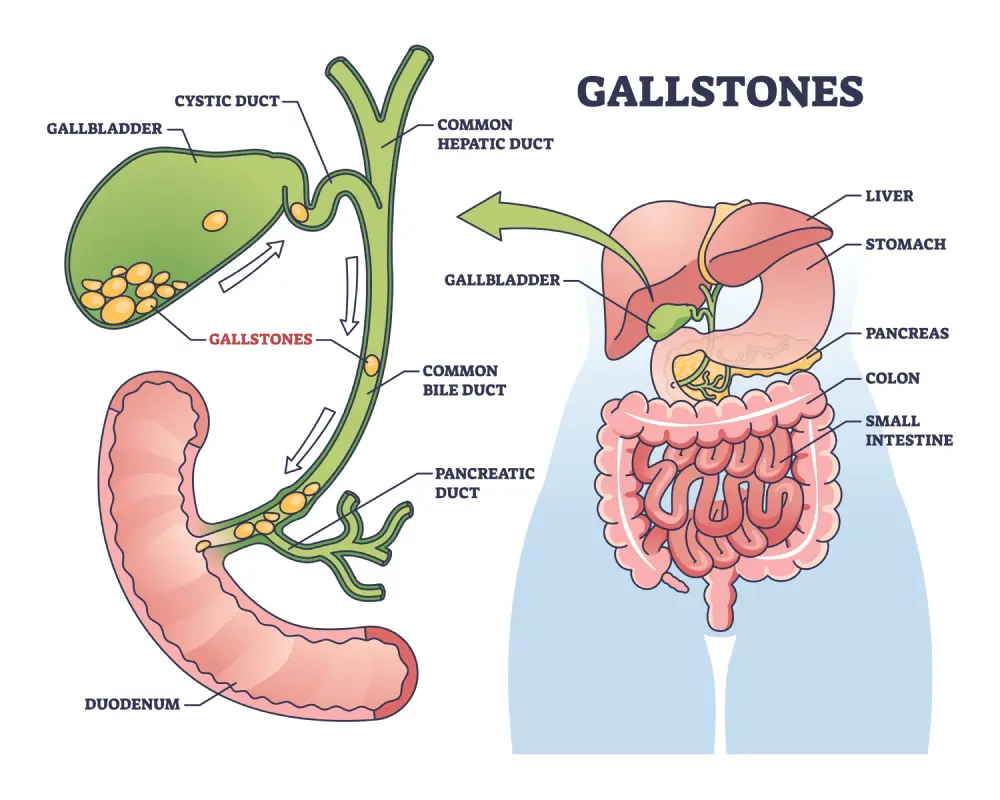
Gallstones are a common digestive condition that occurs when hardened deposits form in the gallbladder. The gallbladder is a small organ located beneath the liver that stores bile, a fluid that helps digest fats. While many people with gallstones experience no symptoms, others may develop sudden, intense abdominal pain.
The condition can range from mild to severe, depending on whether the stones block bile flow. Early recognition and appropriate management are essential to prevent complications and improve quality of life.
Key Takeaways
- Gallstones are hardened deposits of digestive fluid that form in the gallbladder
- Many people have no symptoms, but blockage can cause severe abdominal pain
- Treatment ranges from monitoring to gallbladder removal surgery in symptomatic cases
- Table Of Contents
- What are Gallstones?
- What are the Types of Gallstones?
- What are the Symptoms of Gallstones?
- What Causes Gallstones?
- What are the Risk Factors for Gallstones?
- What are the Complications of This Condition?
- How are Gallstones Diagnosed?
- What’s the Treatment for Gallstones?
- Can Gallstones Be Prevented?
What are Gallstones?
Gallstones are solid particles that develop from bile, a digestive fluid produced by the liver and stored in the gallbladder. These stones can vary in size, ranging from tiny grains to larger stones. Some individuals may have a single stone, while others develop multiple stones at once.
In many cases, gallstones do not cause symptoms unless they block a bile duct. When blockage occurs, it can lead to pain and digestive issues. Gallstones primarily develop due to imbalances in cholesterol metabolism and reduced gallbladder motility.
What are the Types of Gallstones?
Gallstones are generally classified into two main types based on their composition. Understanding the type of gallstone can help determine the most appropriate treatment approach.
Types of gallstones include:
- Cholesterol stones: The most common type, usually yellow-green, formed when bile contains too much cholesterol
- Pigment stones: Smaller and darker stones made of bilirubin, often linked to liver or blood-related conditions
Where is gallstone pain located?
Gallstone pain is typically felt in the upper right side of the abdomen, just below the rib cage. The pain may also spread to the center of the abdomen, the right shoulder, or between the shoulder blades.
It often starts suddenly and can become intense within minutes. Episodes frequently occur after eating fatty meals and may last from a few minutes to several hours.
What are the Symptoms of Gallstones?
Gallstones often remain “silent” and do not cause noticeable symptoms. However, when a stone blocks a bile duct, symptoms can appear suddenly and become severe. Pain episodes may last from minutes to several hours and often occur after meals.
Common symptoms include:
- Sudden pain in the upper right abdomen
- Pain in the middle of the abdomen
- Back pain between the shoulder blades
- Pain in the right shoulder
- Nausea and vomiting
- Indigestion, especially after fatty meals
How long do gallstone symptoms last?
Gallstone attacks, also known as biliary colic, usually last between 30 minutes and several hours. The pain may come and go, but often remains steady during an episode.
Once the blockage is relieved, symptoms typically subside. However, recurrent episodes may occur if gallstones are not treated.
What Causes Gallstones?
The exact cause of gallstones is not always clear, but they typically form due to imbalances in bile composition. When bile contains too much cholesterol or bilirubin, crystals can form and gradually develop into stones.
In some cases, the gallbladder may not empty properly, causing bile to become concentrated. Over time, these factors contribute to the formation of gallstones.
Common causes include:
- Excess cholesterol in bile
- High levels of bilirubin
- Poor gallbladder emptying
- Imbalance in bile composition
What are the Risk Factors for Gallstones?
Certain factors increase the likelihood of developing gallstones. These risks are often related to lifestyle, age, and underlying health conditions. Understanding these factors can help reduce the chances of developing the condition.
Risk factors include:
- Being female
- Age over 40
- Obesity or overweight
- Pregnancy
- High-fat or high-cholesterol diet
- Rapid weight loss
- Family history of gallstones
- Diabetes
What are the Complications of This Condition?
Gallstones can lead to complications if they block bile ducts or cause inflammation. These complications may become serious and require immediate medical attention. Early treatment can help prevent these outcomes.
Possible complications include:
- Inflammation of the gallbladder (cholecystitis)
- Bile duct blockage
- Pancreatitis
- Infection
- Increased risk of gallbladder disease
How are Gallstones Diagnosed?
Gallstones are typically diagnosed using imaging tests and clinical evaluation. Healthcare providers assess symptoms and use imaging to confirm the presence of stones. Accurate diagnosis helps determine the best treatment approach.
Diagnostic methods include:
- Ultrasound imaging
- CT scan
- Blood tests
- Physical examination
- Medical history evaluation
What’s the Treatment for Gallstones?
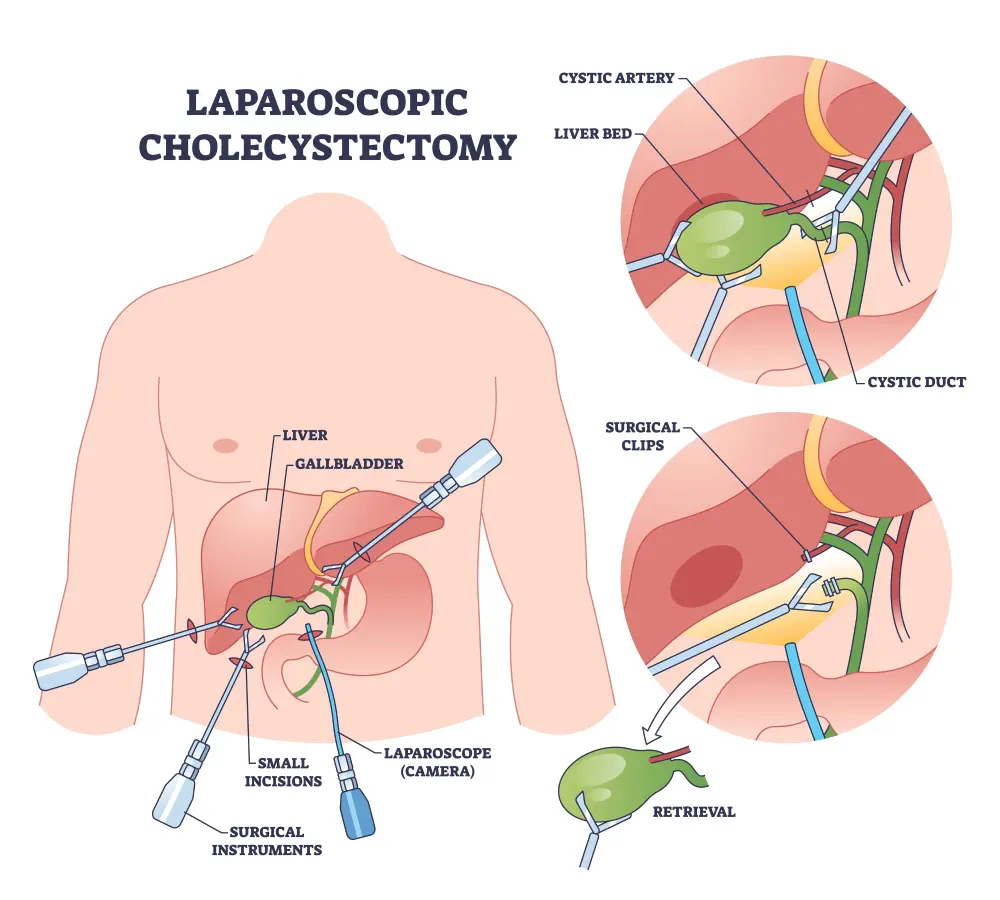
Treatment for gallstones depends on whether symptoms are present. Many people with silent gallstones do not require treatment. However, symptomatic cases often need medical intervention. The most effective treatment is surgical removal of the gallbladder.
Treatment options include:
- Watchful waiting
- Pain management
- Medications to dissolve stones
- Laparoscopic gallbladder removal
- Advanced procedures for bile duct stones
Can Gallstones Be Prevented?
While gallstones cannot always be prevented, certain lifestyle changes can reduce the risk. Maintaining a healthy diet and weight plays a key role in prevention. Avoiding rapid weight loss is also important.
Prevention tips include:
- Maintain a healthy weight
- Avoid rapid dieting
- Eat fiber-rich foods
- Follow a balanced, low-fat diet
- Exercise regularly
Which department should I visit?
Patients with gallstone symptoms should consult the Gastroenterology or General Surgery department. Specialists can evaluate symptoms and recommend appropriate treatment.


