


 Let Us Call You


Lyme disease is a bacterial infection caused by Borrelia bacteria and transmitted to humans through the bite of infected blacklegged ticks, commonly known as deer ticks. It is one of the most frequently reported tick-borne diseases in North America and parts of Europe, particularly in wooded, grassy, and rural environments where ticks naturally live.
Although not every tick carries the bacteria responsible for Lyme disease, an infected tick can transmit the bacteria after remaining attached to the skin for an extended period. Early recognition of symptoms and prompt medical evaluation are important because timely treatment can help prevent the infection from affecting other parts of the body. If left untreated, Lyme disease may spread beyond the skin and involve the joints, nervous system, or heart.
Key Takeaways
- Lyme disease is a bacterial infection transmitted through the bite of infected blacklegged ticks.
- An expanding skin rash, fever, headache, and fatigue are among the most common early symptoms.
- Early diagnosis and antibiotic treatment are associated with better outcomes.
- Untreated Lyme disease may affect the joints, nervous system, and heart.
- Reducing exposure to ticks remains the most effective way to help prevent infection.
What is Lyme Disease?
Lyme disease is an infectious disease caused by Borrelia bacteria that enter the body through the bite of an infected blacklegged tick. The infection develops when bacteria are transmitted from the tick into the bloodstream after the tick has remained attached long enough for transmission to occur.
Ticks become infected after feeding on certain wild animals that naturally carry the bacteria. Humans are considered accidental hosts and cannot transmit Lyme disease to other people through casual contact. Because early symptoms can resemble those of many other illnesses, Lyme disease may sometimes be difficult to recognize without considering a person's history of tick exposure and recent outdoor activities.
What Are the Symptoms of Lyme Disease?
The symptoms of Lyme disease vary depending on the stage of the infection and how the body's immune system responds. Some people notice symptoms within a few days after a tick bite, while others may not develop signs of infection until several weeks later.
Early Symptoms
One of the most recognizable early signs is erythema migrans, an expanding skin rash that gradually increases in size over several days. While many people associate Lyme disease with a bull's-eye rash, this distinctive appearance does not develop in every case. Some rashes appear uniformly red or have an irregular shape.
Other early symptoms may include:
- Fever
- Chills
- Fatigue
- Headache
- Muscle aches
- Joint pain
- Swollen lymph nodes
- Neck stiffness
These symptoms often resemble those of influenza, making medical evaluation important when they occur after possible tick exposure.
Later Symptoms
Without appropriate treatment, the infection may spread to other parts of the body over the following weeks or months.
Later symptoms may include:
- Additional erythema migrans rashes on other parts of the body
- Arthritis, particularly affecting the knees
- Facial muscle weakness
- Numbness or tingling in the hands or feet
- Pain that radiates through the body
- Irregular heartbeat
- Dizziness
- Inflammation affecting the nervous system
Not every person experiences advanced symptoms, particularly when the infection is diagnosed and treated early.
What Causes Lyme Disease?
Lyme disease is caused by infection with Borrelia bacteria, most commonly Borrelia burgdorferi. The bacteria are transmitted through the bite of infected blacklegged ticks that acquire the bacteria after feeding on infected animals such as rodents.
Importantly, Lyme disease does not spread from person to person. It cannot be transmitted by touching an infected individual, sharing food or drinks, coughing, sneezing, or sexual contact. According to current evidence, transmission occurs through infected tick bites rather than direct human contact.
The likelihood of infection depends on several factors, including whether the tick carries the bacteria and how long it remains attached before being removed. Prompt tick removal may reduce the chance of bacterial transmission.
Who is at Risk of Lyme Disease?
Anyone can develop Lyme disease after being bitten by an infected tick, but some individuals are more likely to encounter ticks because of where they live, work, or spend their leisure time.
People who may have a higher risk include:
- Hikers and campers
- Farmers and forestry workers
- Gardeners
- Hunters
- Pet owners who spend time outdoors
- Individuals living in wooded or grassy regions
- Travelers visiting areas where Lyme disease is common
Children and adults who frequently participate in outdoor activities may also have greater exposure to ticks. Wearing protective clothing and checking the body for ticks after spending time outdoors can help reduce the risk of infection.
How is Lyme Disease Diagnosed?
Diagnosing Lyme disease begins with a careful review of a person's symptoms, medical history, and potential exposure to ticks. Because early symptoms may resemble those of other illnesses, healthcare providers consider whether the individual has recently visited areas where infected ticks are known to live.
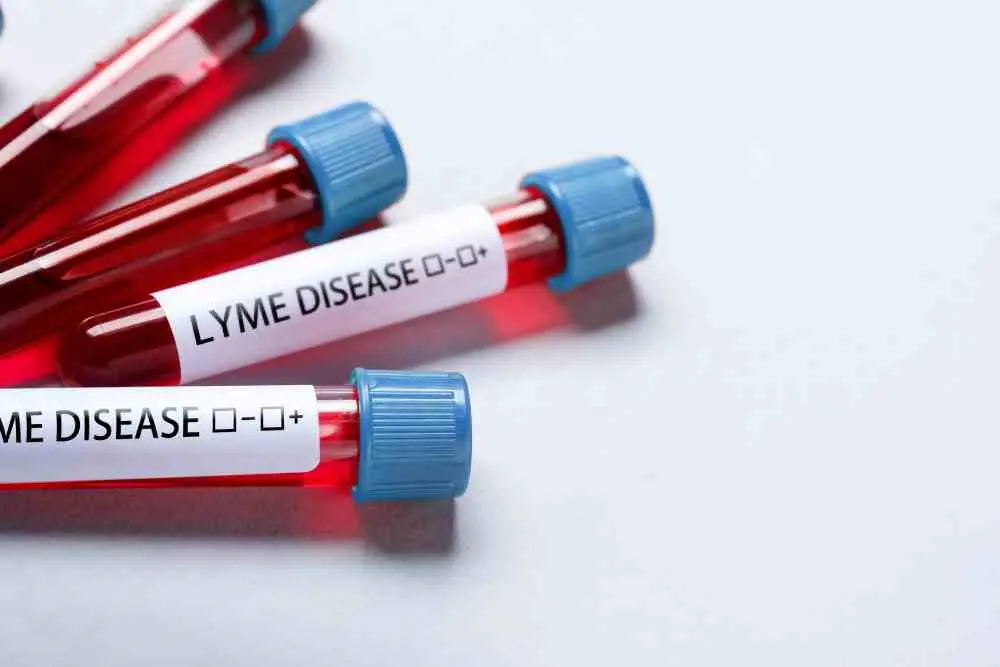
A physical examination is performed to look for signs such as the characteristic erythema migrans rash. When additional confirmation is needed, laboratory blood tests may be recommended to detect antibodies produced in response to the infection. However, these antibodies may not be detectable during the very early stages of Lyme disease, which is why laboratory results are interpreted together with clinical findings rather than used alone.
Which doctor should I see for Lyme disease?
If you develop symptoms of Lyme disease or experience symptoms after a tick bite, you should consult an Infectious Diseases or Internal Diseases specialist for evaluation. Depending on your symptoms and the progression of the infection, you may also be referred to specialists in Dermatology, Neurology, Cardiology, or Rheumatology.


