


 Let Us Call You



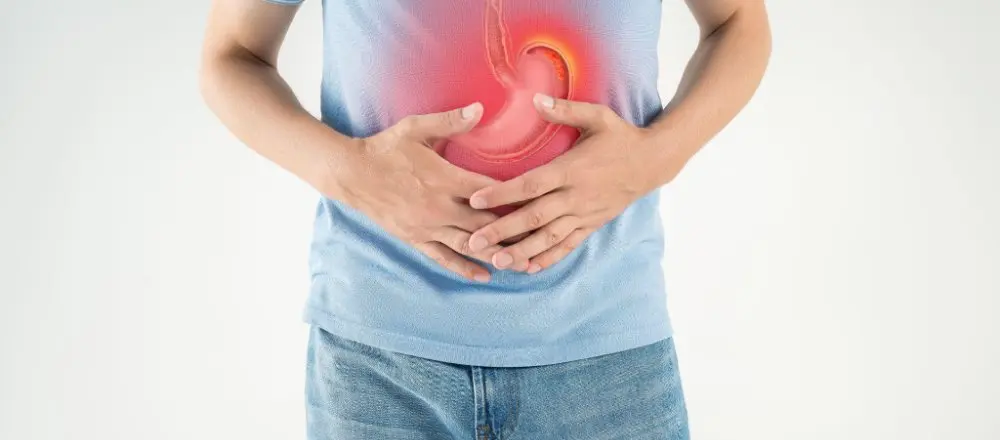
Gastritis is inflammation of the lining of the stomach. It is often caused by an infection with Helicobacter pylori (H. pylori) bacteria or by regularly taking anti-inflammatory painkillers such as ibuprofen or aspirin. Common symptoms include tummy pain, indigestion, bloating and feeling sick. Gastritis can usually be treated with medicines that reduce stomach acid, and with antibiotics if H. pylori is found. Without treatment, it can sometimes lead to a stomach ulcer.
Key Takeaways
- H. pylori infection and anti-inflammatory painkillers are two of the most common causes of gastritis.
- Simple tests on your breath, stool or blood can check for H. pylori.
- Avoiding alcohol, smoking and spicy, fatty or acidic foods can help ease symptoms.
- Vomiting blood or passing black, sticky stools needs emergency care.
What Causes Gastritis?
Gastritis happens when something damages or irritates the protective lining of the stomach. Sometimes more than one cause is involved.
H. Pylori Infection
H. pylori is a type of bacteria that can live in the stomach for many years. It is a common cause of long-term gastritis and stomach ulcers.
Painkillers And Aspirin
Taking anti-inflammatory painkillers, such as ibuprofen, or aspirin regularly can irritate the stomach lining.
Alcohol
Drinking a lot of alcohol can inflame the stomach lining.
Severe Stress Or Illness
Major physical stress, such as after surgery or a serious illness, can cause gastritis.
Immune System Problems
In some people, the immune system attacks the lining of the stomach. This is known as autoimmune gastritis.
What Are The Symptoms Of Gastritis?
Some people with gastritis have no symptoms, while others notice discomfort in the upper part of the tummy. Common symptoms include:
- Tummy pain or a burning feeling
- Indigestion
- Feeling full or bloated
- Feeling sick or being sick
- Loss of appetite
- Burping and wind
Symptoms of gastritis can be similar to those of other stomach problems, so it is worth seeing a doctor if they do not settle.
How Is Gastritis Diagnosed?
A doctor will ask about your symptoms, any medicines you take and how much alcohol you drink. Tests can help find the cause.
- A breath test to check for H. pylori
- A stool sample test for H. pylori
- A blood test
- A gastroscopy, where a thin tube with a camera is passed down your throat to look inside your stomach
A gastroscopy is usually arranged if your symptoms are severe, keep coming back or do not improve with treatment.
How Is Gastritis Treated?
Treatment for gastritis depends on the cause. Most people feel better within a few weeks once the cause is treated.
Medicines To Reduce Stomach Acid
- Antacids, which neutralise stomach acid and give quick relief
- Alginates, which form a protective layer on top of the stomach contents
- Proton pump inhibitors (PPIs), such as omeprazole, which reduce the amount of acid the stomach makes
Treating H. Pylori
If H. pylori is found, you will usually be given a course of antibiotics together with a PPI. Finishing the whole course helps clear the infection.
Changing Medicines
If painkillers or aspirin are causing gastritis, your doctor may suggest another medicine. Do not stop taking aspirin that has been prescribed for your heart without speaking to your doctor first.
What Can You Do To Ease Gastritis At Home?
Some changes to your eating habits and lifestyle can help reduce symptoms and support healing.
- Cut down on tea, coffee, cola and energy drinks.
- Avoid acidic, fizzy, spicy or fatty foods if they make symptoms worse.
- Eat smaller meals and avoid eating 3-4 hours before bed.
- Raise your head and shoulders in bed with an extra pillow.
- Stop or reduce alcohol.
- Stop smoking.
- Lose weight if you are overweight.
What Are The Complications Of Gastritis?
Most gastritis gets better with treatment, but long-term inflammation that is not treated can cause problems.
- A stomach ulcer, a sore in the lining of the stomach
- Bleeding from the stomach lining
- A low level of iron or vitamin B12, which can lead to anaemia
When Should You See A Doctor About Gastritis?
See a doctor if you have indigestion or tummy pain that lasts longer than a week, keeps coming back or is getting worse.
Get an urgent appointment if you have:
- Loss of appetite or feel full after small meals
- Weight loss without trying
- A lump in your tummy
- Difficulty or pain when swallowing
- Vomiting that does not stop
Call an ambulance or go to the emergency department if you:
- Vomit blood or vomit that looks like coffee grounds
- Have black, sticky, very smelly stools
- Have sudden, severe tummy or chest pain
If you have stomach pain or indigestion that keeps coming back, an assessment by a gastroenterology specialist is advisable.


