


 Let Us Call You


Pumpkin seeds, also known as pepitas, are nutrient-dense seeds commonly consumed as a healthy snack or added to meals for extra texture and nutrition. Although small in size, pumpkin seeds contain a variety of vitamins, minerals, antioxidants, healthy fats, and plant-based protein that may support overall health.
Pumpkin seeds are frequently included in balanced diets because of their nutritional profile and versatility. Research continues to explore their potential effects on heart health, sleep quality, metabolic wellness, and inflammation balance.
Key Takeaways
- Pumpkin seeds are rich in protein, fiber, healthy fats, magnesium, and zinc.
- Research suggests pumpkin seeds may support heart health, sleep quality, and immune function.
- Pumpkin seeds can be eaten raw or roasted as part of a balanced diet.
What Makes Pumpkin Seeds Nutritious?
Pumpkin seeds provide a combination of healthy fats, plant protein, fiber, and important minerals. They are particularly rich in magnesium and zinc, which play important roles in many bodily functions.
Pumpkin Seeds Contain:
- Protein
- Fiber
- Magnesium
- Zinc
- Iron
- Healthy unsaturated fats
- Antioxidants
Even small portions may provide significant amounts of essential nutrients, making pumpkin seeds a nutrient-dense snack option.
Clinical Insight: Research on Pumpkin Seeds and Metabolic Health
Research published literature suggests that pumpkin seeds may have antioxidant, anti-inflammatory, and metabolic-supporting properties due to their magnesium, healthy fat, and polyphenol content. Some studies also explore their potential role in supporting blood sugar balance and cardiovascular health. However, researchers emphasize that pumpkin seeds should be part of an overall balanced dietary pattern rather than a standalone treatment approach.
May Support Heart Health
Pumpkin seeds contain healthy fats, magnesium, and antioxidants that may help support cardiovascular health. Magnesium contributes to blood pressure regulation and normal muscle and nerve function, including heart rhythm.
Some research also suggests that diets rich in nuts and seeds may support cholesterol balance and blood vessel health. Pumpkin seeds are often included in heart-conscious eating patterns because of their nutrient profile.
May Help Improve Sleep Quality
Pumpkin seeds naturally contain tryptophan, an amino acid involved in the production of serotonin and melatonin, which are associated with sleep regulation. Magnesium may also contribute to relaxation and sleep support.
Because of these nutrients, pumpkin seeds are sometimes recommended as an evening snack within balanced dietary routines.
May Support Immune Function
Zinc is an essential mineral involved in immune system function, wound healing, and cellular health. Pumpkin seeds are considered a good dietary source of zinc, which may help support normal immune responses.
The antioxidants found in pumpkin seeds may also help protect cells from oxidative stress.
May Support Prostate and Bladder Health
Some preliminary studies suggest that pumpkin seed oil may help support prostate and urinary health, particularly in men experiencing certain urinary symptoms associated with aging. Researchers continue to study the relationship between pumpkin seed compounds and bladder function.
May Help Reduce Oxidative Stress and Inflammation
Pumpkin seeds contain antioxidants such as flavonoids and phenolic compounds that may help reduce oxidative stress in the body. Chronic inflammation and oxidative stress have been associated with several long-term health conditions.
Including antioxidant-rich foods like pumpkin seeds in a balanced diet may support overall wellness and cellular protection.
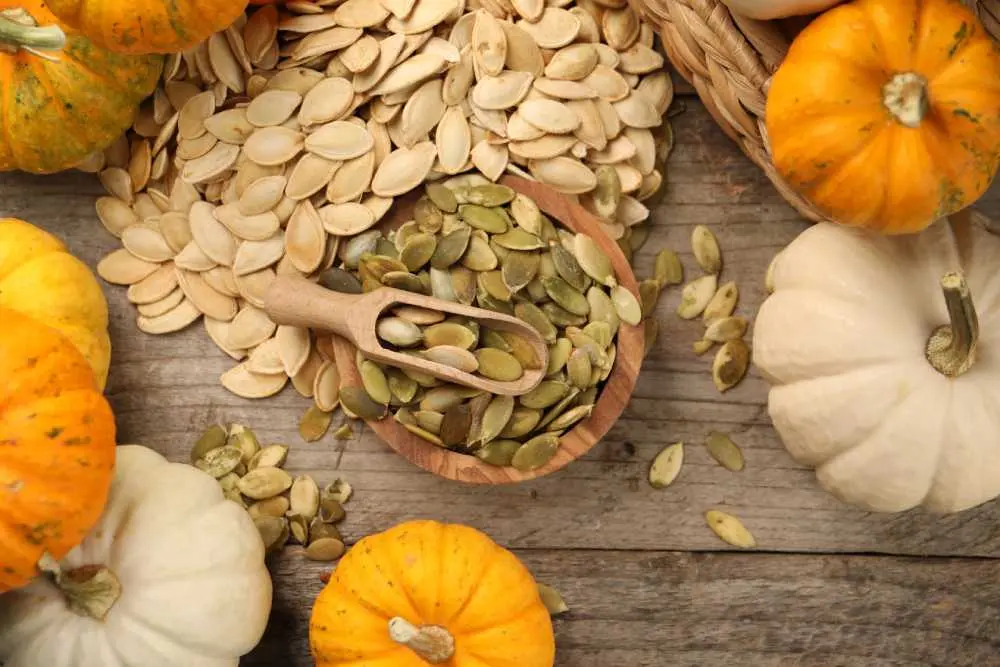
Pumpkin Seeds With Shells vs. Without Shells
Pumpkin seeds can be eaten with or without their shells. Each option offers slightly different nutritional advantages.
Pumpkin Seeds With Shells
- Higher fiber content
- Crunchier texture
- May support digestive health
- Easier to chew and digest
- Lower sodium when unsalted
- Convenient for salads and snacks
Choosing unsalted or lightly salted varieties may help reduce excess sodium intake.
Are There Any Side Effects of Pumpkin Seeds?
Pumpkin seeds are generally considered safe for most people when consumed in moderation. However, excessive intake may cause digestive discomfort in some individuals.
Possible Considerations Include:
- Bloating or gas
- Stomach discomfort
- Excess calorie intake if overeaten
- High sodium intake in heavily salted products
People with digestive sensitivities may benefit from starting with smaller portions.
How Can You Add Pumpkin Seeds to Your Diet?
Pumpkin seeds are versatile and can easily be included in meals and snacks.
Popular Ways to Eat Pumpkin Seeds Include:
- Adding them to salads
- Mixing into yogurt or oatmeal
- Blending into smoothies
- Eating roasted pumpkin seeds as a snack
- Adding them to granola or trail mix
Both raw and roasted pumpkin seeds can be part of a balanced dietary routine.
Which department should I visit?
Individuals seeking nutritional guidance related to heart health, balanced diets, or metabolic wellness may consult the Nutrition and Dietetics or Internal Diseases department.