


 Let Us Call You


A balanced diet can support overall health when you have hypothyroidism, although no specific diet can cure the condition. Nutrient-rich foods can help provide the vitamins and minerals your body needs.
In this article, you'll learn which foods and nutrients may support overall health with hypothyroidism and what to know about diet and thyroid medication.
Key Takeaways
- There is no single diet that can cure hypothyroidism.
- A balanced diet can support overall health and help prevent nutrient deficiencies.
- Iodine, selenium, iron, zinc, and other nutrients play important roles in thyroid function.
- Excessive iodine intake may be harmful, particularly in some people with autoimmune thyroid conditions.
- Some foods, supplements, and medications can affect the absorption of thyroid hormone replacement medication.
- People taking thyroid medication should follow their healthcare professional's instructions about timing and food interactions.
What is Hypothyroidism?
Hypothyroidism is a condition in which the thyroid gland does not produce enough thyroid hormones. These hormones affect several important functions, including metabolism, growth, energy use, and cell repair.
Treatment depends on the cause and severity of the condition, but thyroid hormone replacement medication is commonly used. Diet does not replace medical treatment, but eating a balanced diet can help support overall health and provide essential nutrients.
Can Diet Help With Hypothyroidism?
There is no specific diet that works for everyone with hypothyroidism. However, a balanced eating pattern that includes vegetables, fruits, whole grains, lean proteins, healthy fats, and nutrient-rich foods can support general health and help reduce the risk of nutritional deficiencies.
Some dietary approaches, including Mediterranean-style eating patterns, may be useful because they emphasize minimally processed foods and a variety of plant-based foods. However, these diets should be viewed as part of a healthy lifestyle rather than a treatment for hypothyroidism itself.
Which Nutrients Are Important for Hypothyroidism?
Several nutrients are involved in thyroid hormone production or normal thyroid function. However, getting more of a nutrient is not always better, and supplementation should not be started without considering individual needs
Iodine
Iodine is essential for producing thyroid hormones. However, both too little and too much iodine can cause problems, particularly in people with autoimmune thyroid conditions such as Hashimoto's thyroiditis.
For this reason, people with hypothyroidism should not automatically take iodine or kelp supplements. A healthcare professional can determine whether additional iodine is appropriate.
Selenium
Selenium supports normal thyroid function and is involved in the body's antioxidant defenses. Foods such as Brazil nuts, fish, eggs, poultry, and dairy products can provide selenium.
Most people can obtain selenium through a balanced diet, so supplementation is not automatically necessary.
Iron
Iron is another nutrient involved in normal thyroid hormone production. Low iron levels may occur alongside other nutritional deficiencies, particularly in people with increased nutritional needs.
Iron-rich foods include lean meat, seafood, beans, lentils, spinach, and fortified foods. If iron deficiency is suspected, blood testing can help determine whether supplementation is appropriate.
Zinc
Zinc contributes to normal thyroid function as well as many other processes, including immune function and cell growth. Meat, seafood, dairy products, legumes, nuts, and seeds are dietary sources of zinc.
As with other nutrients, taking high-dose zinc supplements without medical advice is not recommended.
Best Foods to Eat With Hypothyroidism
There is no single food that can improve thyroid function on its own. However, a balanced diet rich in whole, nutrient-dense foods can provide the vitamins, minerals, protein, and fiber needed to support overall health.
Good choices include:
- Fish and seafood
- Eggs
- Lean meats and poultry
- Fruits and vegetables
- Legumes such as beans and lentils
- Nuts and seeds
- Whole grains
- Dairy products or suitable alternatives
A varied diet can also help reduce the risk of nutritional deficiencies and support healthy weight management, which may be particularly useful for people living with hypothyroidism.
Foods to Limit or Avoid With Hypothyroidism
People with hypothyroidism do not usually need to eliminate large groups of foods from their diet. Instead, the focus should be on limiting highly processed foods and paying attention to foods or supplements that may affect thyroid medication or thyroid function.
Ultra-Processed Foods
Foods high in added sugar and highly processed ingredients may contribute to an unhealthy dietary pattern. Choosing whole or minimally processed foods more often can support overall health and help provide a wider range of nutrients.
Soy Foods
Soy does not necessarily need to be avoided if you have hypothyroidism. However, soy products may reduce the absorption of thyroid hormone replacement medication when consumed close to the time the medication is taken.
If you take thyroid medication, follow your healthcare professional's instructions about when to consume soy and other foods that may affect medication absorption.
Cruciferous Vegetables
Broccoli, cabbage, cauliflower, Brussels sprouts, and similar vegetables are nutritious foods and do not generally need to be eliminated from the diet. Eating moderate amounts, particularly when cooked, is generally considered reasonable for people with hypothyroidism.
Large amounts of raw cruciferous vegetables or concentrated juices may require more caution, particularly in people with thyroid conditions. Talk to a healthcare professional before making major dietary changes.
Gluten
A gluten-free diet is not automatically necessary for everyone with hypothyroidism. However, people with celiac disease or a diagnosed gluten sensitivity may benefit from avoiding gluten under appropriate medical or nutritional guidance.
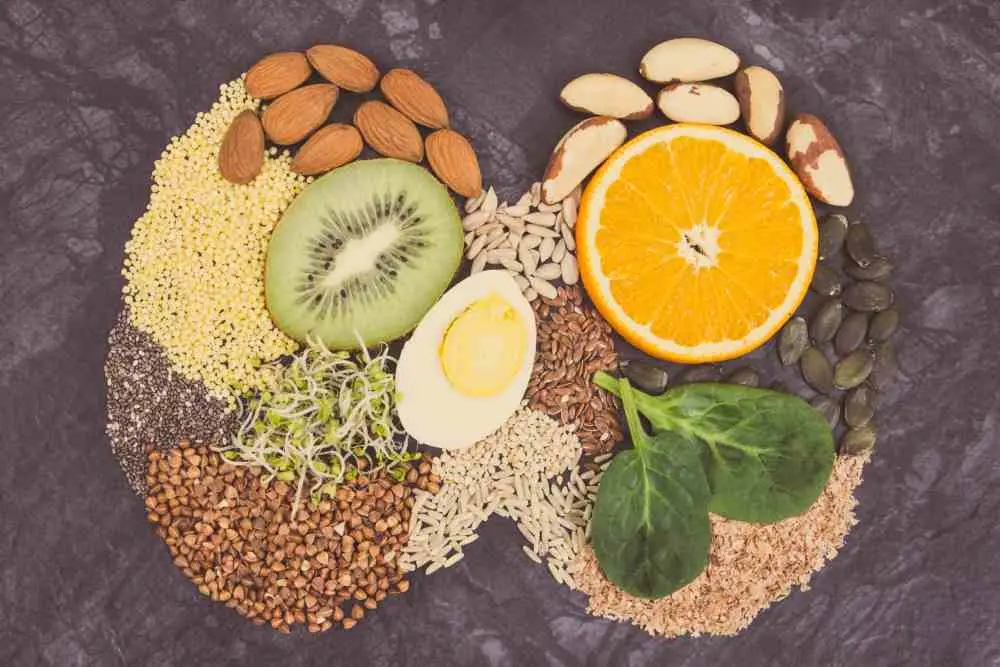
Hypothyroidism Diet and Thyroid Medication
Diet can be particularly important when taking thyroid hormone replacement medication. Some foods, supplements, and medications can affect how well the body absorbs thyroid hormone.
Levothyroxine, a commonly prescribed thyroid hormone replacement medication, is generally taken on an empty stomach according to healthcare professional instructions. Mayo Clinic notes that foods and products such as soy, high-fiber foods, iron supplements, calcium supplements, and certain antacids may interfere with absorption when taken too close to the medication.
For this reason, patients should follow the prescribed timing of their medication rather than making unnecessary dietary restrictions. If you take supplements or other medications, tell your healthcare professional so potential interactions can be considered.
Should You Take Supplements for Hypothyroidism?
Supplements are not routinely necessary for everyone with hypothyroidism. Nutrients such as iodine, selenium, zinc, iron, vitamin D, and vitamin B12 may be important, but supplementation should generally depend on individual nutritional status and medical advice.
In particular, taking high-dose iodine without medical advice is not recommended. Excess iodine can be harmful, especially in people with autoimmune thyroid conditions such as Hashimoto's thyroiditis.
If a deficiency is suspected, blood tests and nutritional assessment can help determine whether supplementation is appropriate.
Clinical Insight
There is no single diet that can cure hypothyroidism or replace thyroid hormone treatment. A balanced diet based on whole foods can provide important nutrients while limiting excessive processed foods, and careful timing of thyroid medication can help support proper absorption. If you have hypothyroidism, Hashimoto's thyroiditis, or a diagnosed nutrient deficiency, dietary changes and supplements should be discussed with your healthcare team.
Which Department Should I Visit?
People diagnosed with hypothyroidism or experiencing symptoms such as fatigue, weight changes, sensitivity to cold, or changes in heart rate may consult:
An endocrinologist can evaluate thyroid function and treatment, while a dietitian can help develop an appropriate eating plan based on individual nutritional needs.