


 Let Us Call You


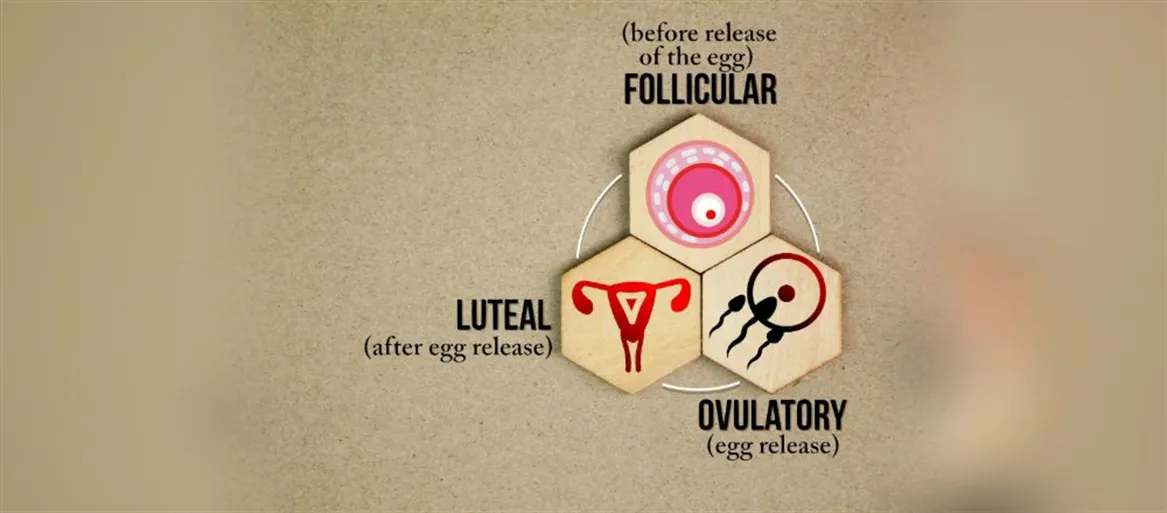
The luteal phase is the second half of the menstrual cycle. It starts the day after ovulation and ends the day before your next period. During this time, the hormone progesterone rises and prepares the lining of the womb for a possible pregnancy. The luteal phase usually lasts about 14 days and tends to stay much the same length from one cycle to the next. Many people notice symptoms such as bloating, breast tenderness or mood changes towards the end of it.
Key Takeaways
- The luteal phase usually lasts about 14 days, although it can range from around 11 to 17 days.
- Differences in cycle length are mostly caused by the phase before ovulation, not the luteal phase.
- Progesterone made after ovulation raises body temperature slightly until your period starts.
- Premenstrual symptoms are common in the late luteal phase and usually ease once your period begins.
What Happens During The Luteal Phase?
The luteal phase begins once an egg has been released from the ovary. The changes that follow prepare the body for a possible pregnancy.
The Corpus Luteum Forms
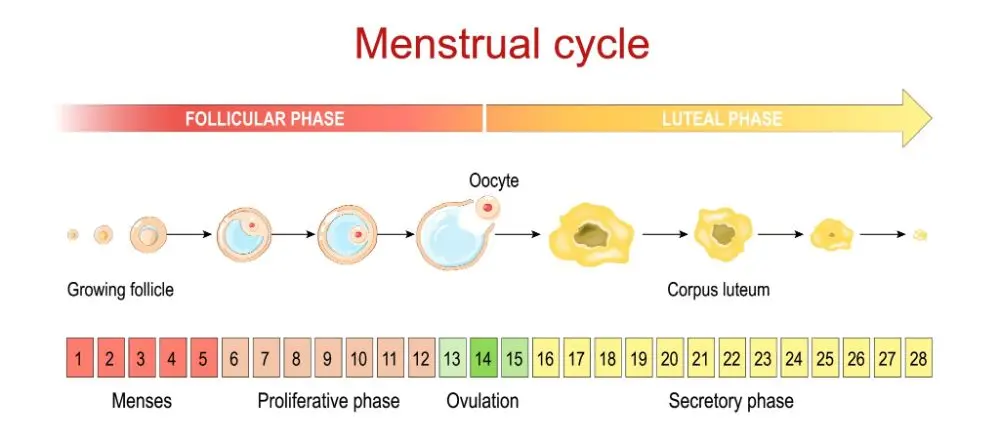
After ovulation, the empty follicle that held the egg turns into a small structure called the corpus luteum.
Progesterone And Oestrogen Rise
The corpus luteum produces progesterone and some oestrogen. Progesterone makes the lining of the womb thicker and richer in blood vessels, ready for a fertilised egg to implant.
If Pregnancy Happens
A fertilised egg implants in the lining of the womb, and the developing pregnancy produces a hormone that keeps the corpus luteum making progesterone.
If Pregnancy Does Not Happen
The corpus luteum breaks down after about 10-14 days, hormone levels fall and the lining of the womb is shed as a period. This marks the start of a new cycle.
When Is The Luteal Phase?
The luteal phase is the time between ovulation and your next period. In a textbook 28-day cycle it runs roughly from day 15 to day 28, counting the first day of your period as day 1.
Cycles vary from person to person, and the average cycle is 28 days but can be anywhere between 21 and 40 days. Ovulation usually happens 10-16 days before the next period, so the luteal phase starts later in longer cycles.
How Long Is The Luteal Phase?
The luteal phase usually lasts about 14 days. It is generally more stable than the follicular phase, which is the first part of the cycle before ovulation.
- A typical luteal phase lasts around 11-17 days.
- A luteal phase of 10 days or fewer is often described as short.
- A luteal phase that seems longer than usual, without a period, may be a sign of pregnancy.
A short luteal phase may mean there is less time for the womb lining to prepare for a pregnancy. It can happen occasionally in healthy cycles, but a doctor may look into it if you are having difficulty getting pregnant.
What Are The Symptoms Of The Luteal Phase?
Many people notice physical or emotional changes in the luteal phase, especially in the last few days before a period. These are often called premenstrual syndrome (PMS).
Physical Symptoms
- Bloating
- Breast tenderness or swelling
- Headaches
- Spots or skin changes
- Tiredness
- Changes in appetite or food cravings
- Mild tummy cramps
Emotional Symptoms
- Mood swings
- Feeling irritable or anxious
- Low mood
- Trouble sleeping
For a small number of people, symptoms are severe enough to disrupt daily life. This may be premenstrual dysphoric disorder (PMDD), which a doctor can help diagnose and treat.
How Can You Track Your Luteal Phase?
You can work out your luteal phase by finding out when you ovulate and counting the days until your next period.
- Basal body temperature: your temperature on waking rises slightly after ovulation and stays higher until your period.
- Ovulation tests: these detect a rise in luteinising hormone (LH), which happens shortly before ovulation.
- Cervical mucus: mucus becomes clear, slippery and stretchy around ovulation, then thicker afterwards.
- Period tracking: recording the first day of each period over several months helps you see your usual cycle length.
When Should You See A Doctor?
Changes in the menstrual cycle are often harmless, but some need checking. See a doctor if you:
- Have periods that are irregular or more than 35 days apart
- Have symptoms before your period that affect your work, relationships or mood
- Notice bleeding between periods or after sex
- Have been trying to get pregnant for a year without success, or for 6 months if you are 35 or older
If you have concerns about your cycle, premenstrual symptoms or fertility, an assessment by an obstetrics and gynaecology specialist is advisable.