


 Let Us Call You


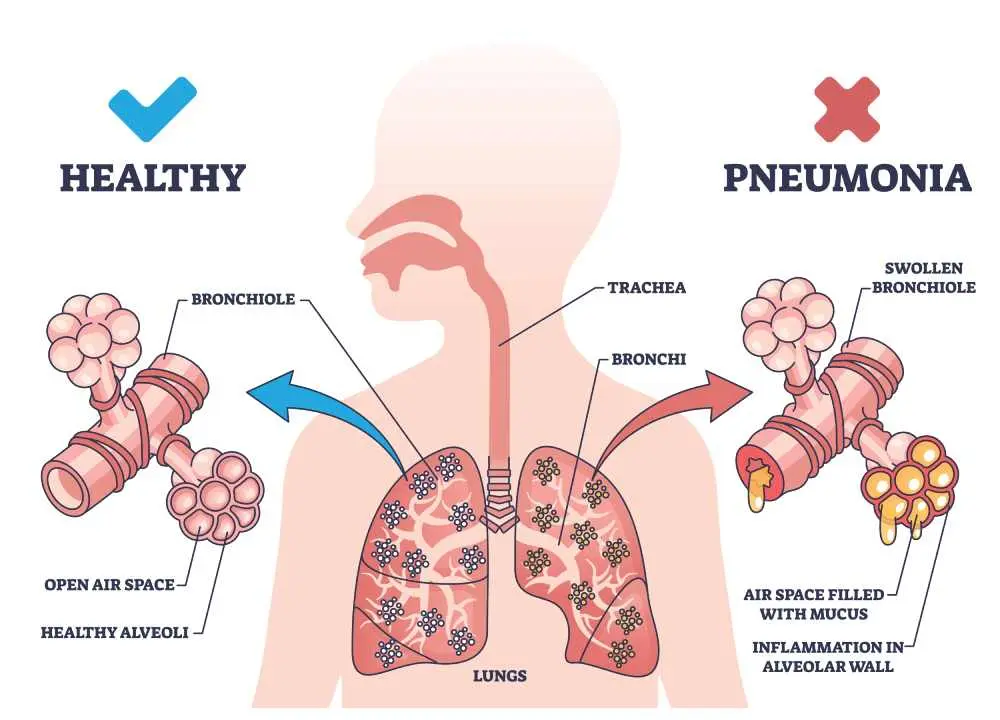
Pneumonia is a condition in which the air sacs (alveoli) in the lungs become inflamed and fill with pus as a result of viral, bacterial, or fungal infections. High fever, cough, chills, shortness of breath, and chest pain are among the common symptoms of pneumonia. This condition can pose a significant risk, particularly for older adults and children. Treatment generally includes antibiotics or antiviral medications.
Key Takeaways
- Pneumonia is the inflammation of the air sacs in the lungs caused by bacterial, viral, or fungal infections.
- It presents with symptoms such as productive cough, fever, sweating, and chills.
- The most common causes are the bacterium Streptococcus pneumoniae or viruses.
- Children under the age of 2, adults over the age of 65, individuals with weakened immune systems, and those with chronic diseases are considered high-risk groups.
- Antibiotics, antiviral medications, rest, and adequate fluid intake are among the treatment methods.
What is Pneumonia?
Pneumonia is an infection that causes the air sacs in the lungs to become inflamed and fill with fluid or pus due to bacteria, viruses, or fungi. It presents with symptoms such as shortness of breath, cough, chills, and fever. Treatment is planned depending on the underlying cause and may range from antibiotics to supportive care.
What are Symptoms of Pneumonia?
Symptoms of pneumonia commonly appear as cough, chills, shortness of breath, and fever. Sharp chest pain while breathing or coughing and symptoms such as bloody sputum are also considered among the signs of pneumonia. Other common symptoms include fatigue, nausea, vomiting, diarrhea, and confusion, especially in older adults.
Common Symptoms of Pneumonia
- Cough, shortness of breath, rapid breathing, and wheezing
- High fever, sweating, chills, and severe weakness or fatigue
- Sharp pain that increases when taking a deep breath or coughing
- Stabbing chest pain
- Nausea, vomiting, diarrhea, and loss of appetite
Symptoms According to Demographic Characteristics
- Lower-than-normal body temperature
- Confusion
Changes in mental awareness are symptoms of pneumonia commonly seen in people over the age of 65
- Infants and Newborns
- Vomiting
- Fever
- Cough
- Irritability
- Loss of energy may occur.
When should you go to the emergency department?
- Difficulty breathing or severe shortness of breath
- Persistent or severe chest pain
- High fever
- Bloody and persistent cough
- Bluish color of the lips or fingertips
Symptoms of pneumonia may develop suddenly. Early symptoms may mimic those of a common cold or flu.
What Causes Pneumonia?
Pneumonia is an infection that causes the air sacs in the lungs to fill with pus. It occurs due to bacteria, viruses, or fungi inhaled from the air, or through aspiration into the lungs.
Common causes can be listed as follows:
- In adults, the most common cause is the bacterium Streptococcus pneumoniae.
- Common causes also include influenza (flu), COVID-19, and respiratory syncytial virus (RSV).
- Fungi are commonly seen in individuals with weakened immune systems.
- Aspiration that develops when food, liquids, saliva, or vomit are inhaled into the lungs.
Main Risk Factors
- Adults over the age of 65
- Children under the age of 2
- Chronic diseases such as asthma, COPD, or heart disease
- A weakened immune system
- Lifestyle factors
Is pneumonia contagious?
Although pneumonia itself is not always directly contagious, the viruses and bacteria that cause it can spread through coughing, sneezing, and close contact. Vaccination, frequent handwashing, and avoiding close contact with sick individuals are important for prevention.
What are the Diagnostic Methods for Pneumonia?
During the diagnosis of pneumonia, lung sounds are evaluated during the physical examination, and chest X-ray imaging is used to identify inflammation in the lungs.
In addition, physicians may use pulse oximetry to check blood oxygen levels, blood tests to confirm infection, and sputum tests to identify the specific microorganism causing the disease.
Pneumonia diagnostic methods are as follows:
Physical Examination
During the examination, the doctor listens to the lungs with a stethoscope to detect crackling or abnormal sounds.
Chest X-ray
It is the most common and reliable diagnostic method used to confirm the presence and location of inflammation or fluid in the lungs.
Pulse Oximetry
Measures oxygen levels in the blood, as pneumonia may prevent sufficient oxygen from reaching the bloodstream.
Blood Tests
A complete blood count (CBC) helps determine whether the immune system is actively fighting an infection.
Sputum Test
A sputum sample is analyzed to identify the exact type of bacteria or virus causing the infection.
Chest CT Scan
Provides more detailed images than an X-ray to detect deeper complications such as abscess formation.
Pleural Fluid Culture
If fluid accumulation around the lungs is present, a sample is taken with a needle for laboratory analysis.
Bronchoscopy
Often used in complex cases, this procedure involves inserting a flexible tube with a camera into the airways to examine them directly.
How is Pneumonia Treated?
Pneumonia treatment varies depending on its cause and severity. For bacterial infections, treatment may include antibiotics along with supportive care such as rest, adequate fluid intake, and fever-reducing medications. Mild cases are often treated at home, while severe cases may require hospitalization for oxygen therapy and respiratory support.
- Antibiotics treat bacterial pneumonia, although they cannot treat viruses.
- Medications used for fungal infections treat pneumonia caused by fungi.
- Antiviral medications can reduce the duration and severity of pneumonia.
- If sufficient oxygen cannot be obtained, oxygen therapy may be applied.
- Fluids may be administered intravenously to treat or prevent dehydration.
- If excessive fluid accumulates between the lungs and the chest wall, this fluid may be drained.
How long does recovery take after pneumonia treatment?
Recovery usually occurs within 2–4 weeks. A person may feel better, but fatigue may continue for some time.
How can pneumonia be prevented?
Vaccination (influenza, COVID-19, and pneumococcal vaccines) and frequent handwashing are recommended to help prevent infections.
If symptoms do not improve within 2–3 days after starting pneumonia treatment, it may be necessary to consult the Pulmonogly department.


