


 Let Us Call You


A stroke can happen suddenly when blood flow to part of the brain is blocked or a blood vessel in the brain ruptures. Recognizing sudden changes in the face, arms, speech, vision, or balance and seeking emergency medical care immediately can help reduce the risk of lasting brain damage.
In this article, you'll learn the most important warning signs of a stroke, how to recognize them using the B.E. F.A.S.T. approach, and what to do if symptoms appear.
Key Takeaways
- Stroke symptoms usually begin suddenly.
- One-sided weakness or numbness, facial drooping, and speech difficulty are important warning signs.
- Sudden vision changes, dizziness, loss of balance, and a severe unexplained headache can also occur.
- Stroke is a medical emergency, even when symptoms improve or disappear.
- Remembering B.E. F.A.S.T. can help you recognize symptoms quickly.
What Is a Stroke?
A stroke occurs when part of the brain does not receive enough blood and oxygen because a blood vessel is blocked or ruptures. Without sufficient oxygen, brain cells can become damaged within minutes, which is why rapid medical assessment is essential.
There are different types of stroke, including ischemic stroke, which is caused by a blockage, and hemorrhagic stroke, which occurs when a blood vessel breaks and bleeds into or around the brain.
What Are the Warning Signs of a Stroke?
Stroke symptoms can vary depending on which part of the brain is affected. They usually develop suddenly and may include:
- Sudden weakness or numbness, especially on one side of the body
- Drooping or numbness on one side of the face
- Difficulty speaking or understanding speech
- Sudden vision changes
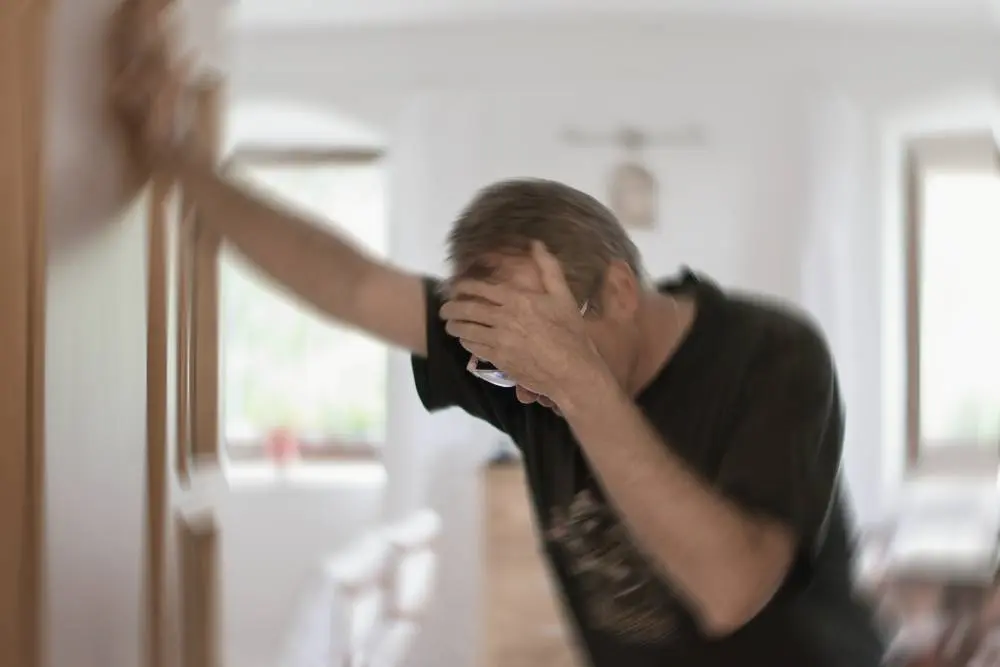
- Sudden dizziness or loss of balance
- Difficulty walking or lack of coordination
- A sudden, severe headache with no known cause
- Sudden confusion
- Sudden difficulty seeing in one or both eyes
- Sudden nausea or vomiting in some cases
Not everyone experiences all of these symptoms. Even one sudden warning sign can require immediate medical attention.
How Does B.E. F.A.S.T. Help Recognize a Stroke?
The B.E. F.A.S.T. method is a simple way to remember several major stroke warning signs:
B — Balance
Is there sudden dizziness, loss of balance, or difficulty walking?
E — Eyes
Are there sudden changes in vision, blurred vision, double vision, or loss of sight?
F — Face
Ask the person to smile. Does one side of the face droop or feel numb?
A — Arms
Ask the person to raise both arms. Is one arm weak, numb, or drifting downward?
S — Speech
Ask the person to repeat a simple sentence. Is their speech slurred, confused, or difficult to understand?
T — Time
If any of these signs appear suddenly, it is time to seek emergency medical help immediately. Note the time when symptoms began if possible, as this information can help the medical team determine the most appropriate treatment.
What Should You Do If You Suspect a Stroke?
Do not wait to see whether symptoms improve. Stroke treatment is time-sensitive, and earlier evaluation can provide access to treatments that may reduce brain injury.
If you suspect that you or someone else is having a stroke:
- Seek emergency medical help immediately.
- Note the time when symptoms first appeared or when the person was last known to be well.
- Do not wait for symptoms to disappear.
- Avoid driving yourself or the affected person if emergency medical transport is available.
- Tell emergency medical personnel about the symptoms and when they started.
Can Stroke Symptoms Go Away?
Yes. Stroke-like symptoms can sometimes disappear after a short period. This may indicate a transient ischemic attack (TIA), sometimes called a "mini-stroke."
A TIA occurs when blood flow to part of the brain is temporarily disrupted. Although symptoms may resolve, a TIA is still a medical emergency and should not be ignored because it can signal an increased risk of a future stroke.
Is a Sudden Headache a Sign of Stroke?
A sudden and severe headache with no known cause can be a warning sign of stroke, particularly some types of hemorrhagic stroke. It may occur with other symptoms such as vomiting, weakness, confusion, or loss of consciousness.
A severe or unusual headache that develops suddenly should receive urgent medical attention.
The likelihood of having a stroWhat Are the Risk Factors for Stroke?ke is influenced by several factors. Some cannot be changed, such as age and family history, while others can be managed.
Important risk factors include:
- High blood pressure
- High cholesterol
- Diabetes
- Smoking
- Physical inactivity
- Obesity
- Certain heart conditions
- Previous stroke or TIA
Managing these factors through appropriate medical care and healthy lifestyle habits can help reduce stroke risk.
How Can You Reduce Your Risk of Stroke?
Stroke prevention focuses largely on managing cardiovascular risk factors. Regular medical check-ups can help identify conditions such as high blood pressure, diabetes, and high cholesterol before they cause noticeable symptoms.
Healthy habits may include:
- Following a balanced diet
- Staying physically active
- Avoiding tobacco
- Maintaining a healthy weight
- Managing blood pressure and cholesterol
- Taking prescribed medications as directed
- Managing conditions such as diabetes
Your healthcare professional can help create a prevention plan based on your individual risk factors.
Clinical Insight
Recognizing stroke symptoms quickly can make an important difference because some treatments are most effective when given as early as possible. Sudden weakness, facial drooping, speech difficulty, vision changes, severe unexplained headache, or loss of balance should never be ignored. Even when symptoms disappear, urgent medical assessment is still important because they may represent a TIA.
Which Department Should I Visit?
A suspected stroke requires emergency medical evaluation, rather than waiting for a routine outpatient appointment. After the acute phase, ongoing evaluation and treatment may involve:
- Neurology
- Neurosurgery, when a surgical or neurovascular intervention is indicated
- Cardiology, when a cardiovascular condition contributes to stroke risk
- Physical Medicine and Rehabilitation during recovery
References
Centers for Disease Control and Prevention (CDC) — https://www.cdc.gov/
American Stroke Association — https://www.stroke.org/
NHS — https://www.nhs.uk/
National Institute of Neurological Disorders and Stroke (NINDS) — https://www.ninds.nih.gov/